Extraction and ventilation requirements in Germiston
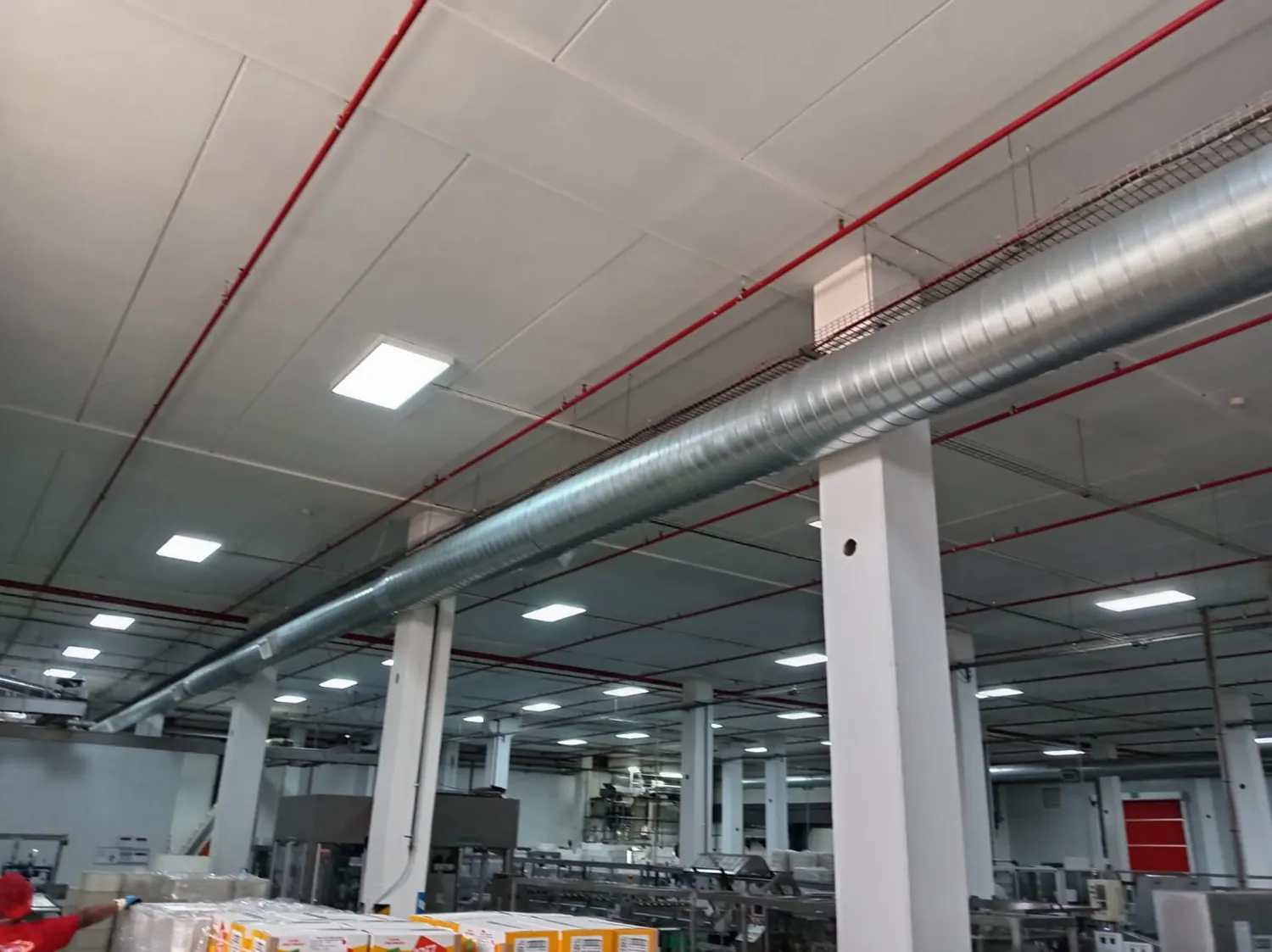
Germiston industrial operations can include grinding, cutting, conveying and materials handling in relatively compact premises. Airborne dust from these activities can migrate into adjacent production and storage areas when it is not captured at source. The required solution depends on how and where material escapes, not on the city name or a generic fan size.
How we assess the equipment and operating conditions
We establish the process generating the material, whether it is dry or sticky, operating hours and how many extraction points run together. The location of a collector must allow filter changes and waste removal while leaving safe traffic routes. Ducts need sensible inspection access and a layout that avoids avoidable pressure losses.
Manufacturing, installation, repairs and system integration
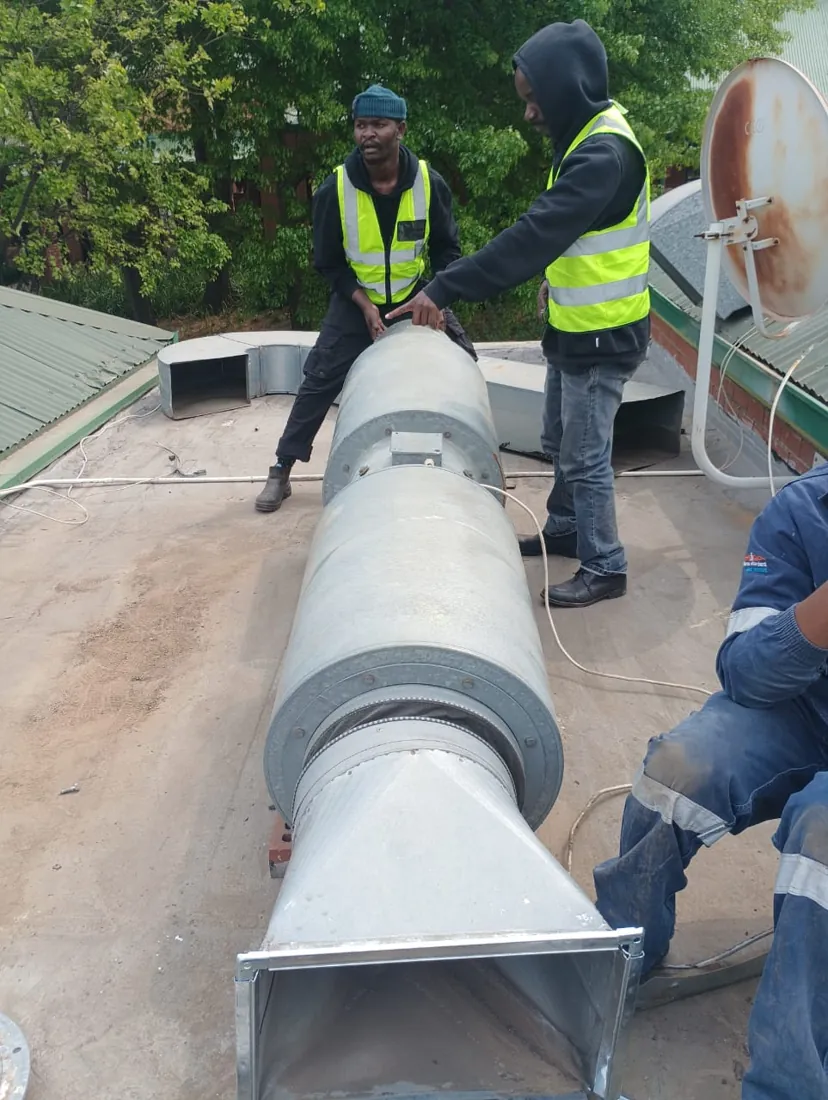
Our in-house dust collector manufacturing capability allows collector fabrication to be discussed alongside ductwork and installation. That does not replace the need for sound engineering: filtration selection, fan duty, transport velocity and any specialist protection measures must match the actual dust. We can also investigate failed or altered existing extraction lines.
Preparing an accurate project quotation
Please send material information, photos of the generation point, sketches showing machines and available equipment data. If the material is combustible, toxic or otherwise hazardous, it should be identified before specification or maintenance.
What your facilities or procurement team can expect
South Africa Extractor Fan Experts is based at 12 Pomona Road, Pomona, Kempton Park. We accept industrial and commercial project enquiries from Germiston and elsewhere in South Africa, subject to scope and scheduling. Site visits and project scheduling are discussed when we review your equipment requirements.
Capturing dust before it enters occupied areas
Dust created by grinding, cutting or bulk material transfer in Germiston plants is easier to manage at the source than after it disperses across the shop floor. Hood geometry, machine enclosure and branch duct velocity should be considered together. We ask whether the dust is fine, abrasive, sticky or potentially combustible because that materially affects equipment selection.
Avoiding mismatched collector capacity
Adding machines to an existing header can reduce capture if the fan and filter arrangement were sized for fewer operating points. We evaluate simultaneous machine use and the reported change in production before recommending additional branches or collector enlargement. For hazardous dust, competent specialist assessment and applicable risk controls take precedence over generic design rules.
Discuss your Germiston project
Request a project quotation → Call 070 602 7216 → WhatsApp →
Equipment and operating considerations
Germiston fabrication and manufacturing facilities often contain several dust-generating tools across different work areas. We consider whether common ducting will maintain adequate pickup when multiple machines are used at once. Capture close to grinding or cutting equipment may be preferable to attempting to clear an entire factory atmosphere. We discuss accessible filter servicing and whether collected solids can be discharged without affecting adjacent production. Hazardous or combustible dust calls for a separate, competent safety assessment.