
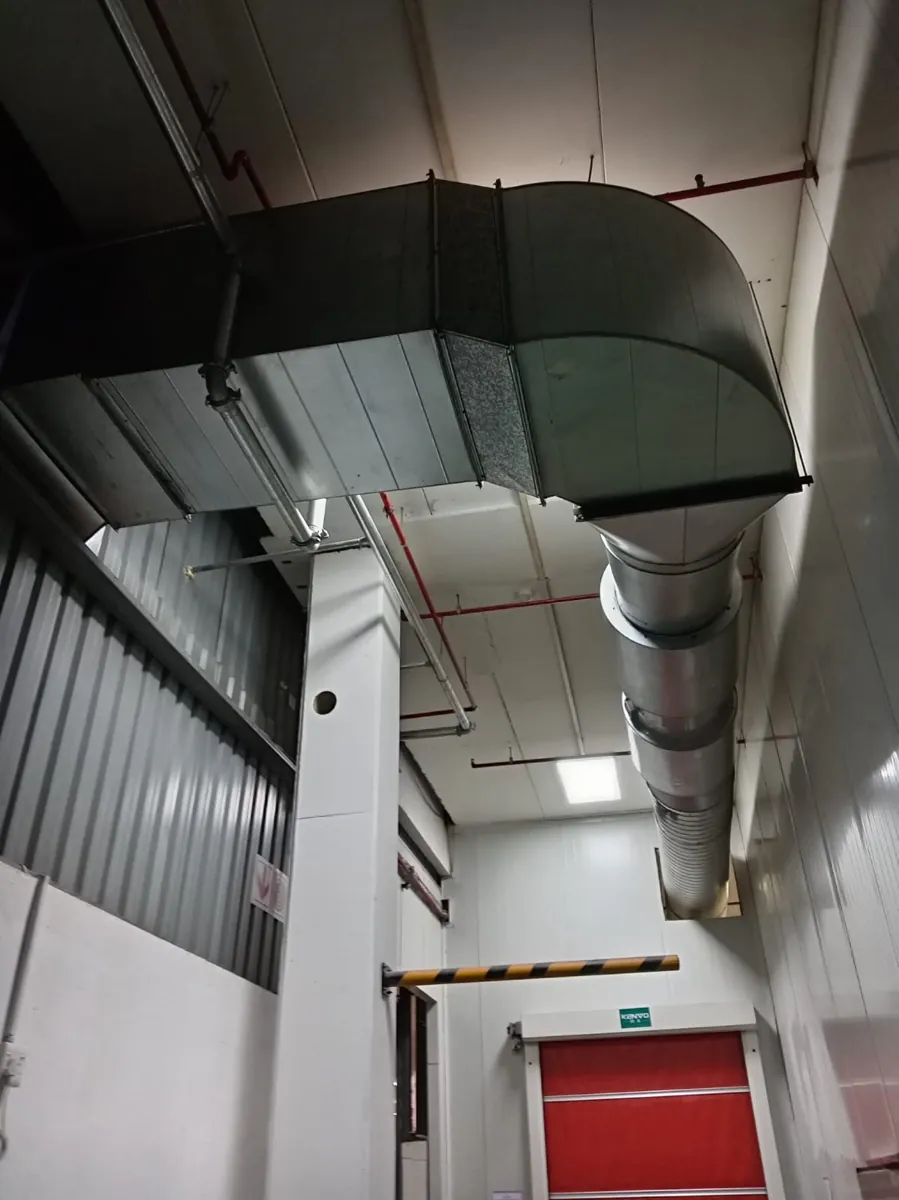
Dust and fumes differ by foundry stage
Melting, pouring, mould shakeout, sand reclamation and fettling do not produce the same emissions. An extraction proposal needs to identify which processes need source capture, their temperature conditions and the expected dust properties. We discuss ventilation routes around cranes, furnace access and the heavy-duty work areas where equipment must remain maintainable.
Heat-resistant routing and access
High-temperature streams, abrasive sand, vibration and space restrictions can place demands on hoods, duct materials and separation equipment. We consider whether existing collectors are being overloaded, whether ducts accumulate dust and which shutdown windows are available for corrective work. Equipment should not be sized solely from a general plant ventilation estimate.
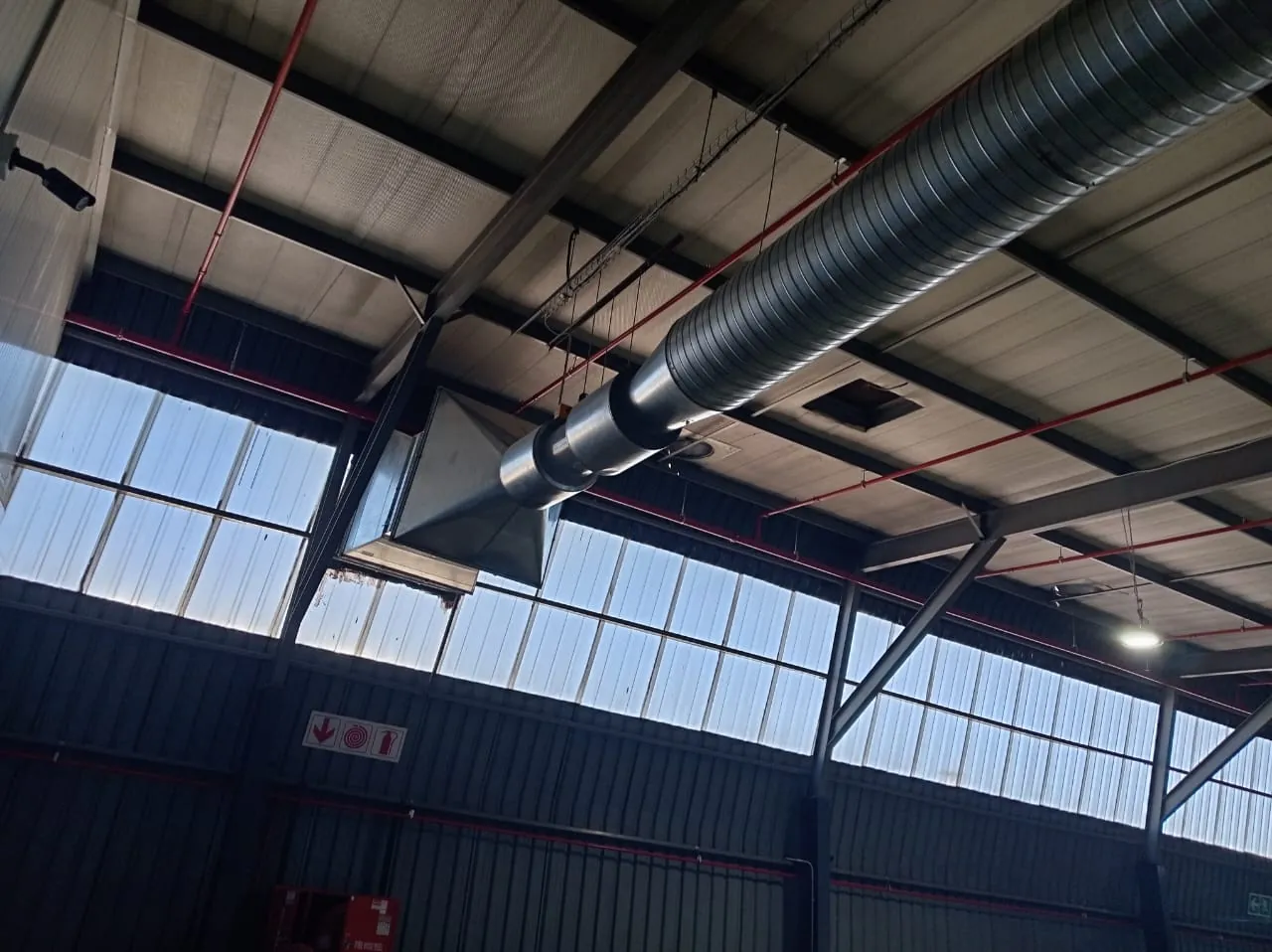
Exposure and combustible material review
Silica-containing foundry sands and metal fumes can carry significant occupational health risks. Suitable exposure assessment, filtration criteria and emission controls require the involvement of qualified occupational hygiene and engineering professionals. The scope must identify process-specific hazards rather than imply a standard extractor fan alone resolves compliance.
Request a site-based quotation
Equipment and operating considerations
A foundry may produce different airborne hazards during sand handling, mould preparation, casting and fettling. A single large exhaust opening cannot be assumed to capture each source effectively. We examine plume temperature, abrasive loading and whether the process needs a hood, enclosure or high-temperature extraction arrangement. Wear locations in ducts and fans matter, as do access routes around cranes and hot equipment. Final system selection must follow the specific process hazards, not a generic airflow figure.
Speak to our industrial projects team
Request an industrial extraction assessment
Technical decisions that affect the result
Foundries may release heat, fume and particulate during pouring, shakeout and finishing; these sources should not all be treated as one air pollutant. Capture around a hot source must consider thermal movement, operator access and possible heat damage to equipment. Grinding and abrasive cleanup may require a separate extraction and filtration duty.
We would ask which casting process is used, where contaminants are released and the available access for ducting or hoods. High temperatures, hazardous fumes and combustible material call for specialist assessment before equipment is specified. The process team should identify shutdown and crane-access windows as part of an installation plan.
Operating requirements and practical checks
The hottest release may occur above a casting operation while abrasive dust develops elsewhere during fettling and finishing. Treating these points separately can clarify where a heat-resistant hood, local pickup or general air path is appropriate. We would also review crane travel and operator reach so fabricated equipment does not obstruct handling. Collector filtration and discharge arrangements should follow verified material and temperature data from the foundry process.
Site drawings should show the route of lifting equipment and hot materials so hoods and supports do not create new hazards during casting operations.