
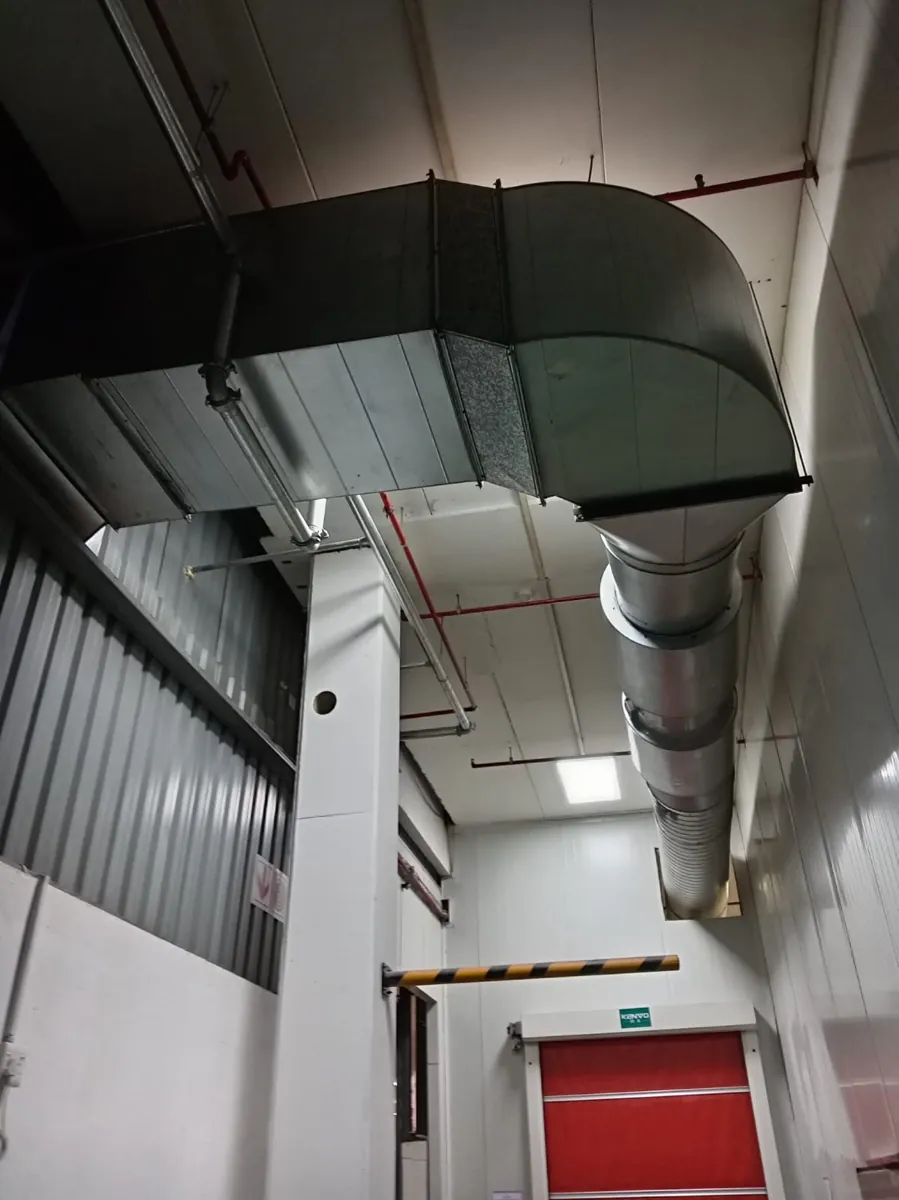
Capture at ingredient transfers
Flour, sugar, powdered additives and other dry ingredients can become airborne at hoppers, mixers, bag emptying stations and packing lines. We consider dust release during filling, blending and cleaning operations. Extraction must be aligned with the hygiene practices and production flow of the facility so ducting, hoods and maintenance work do not create additional contamination problems.
Cleanable equipment design
Dust characteristics, washdown practices and food-contact boundaries influence suitable materials and access arrangements. We discuss where equipment can be opened for inspection, how product residues are removed and whether collector location protects occupied production areas. The required finish and construction specification must be established before fabrication, rather than assumed.
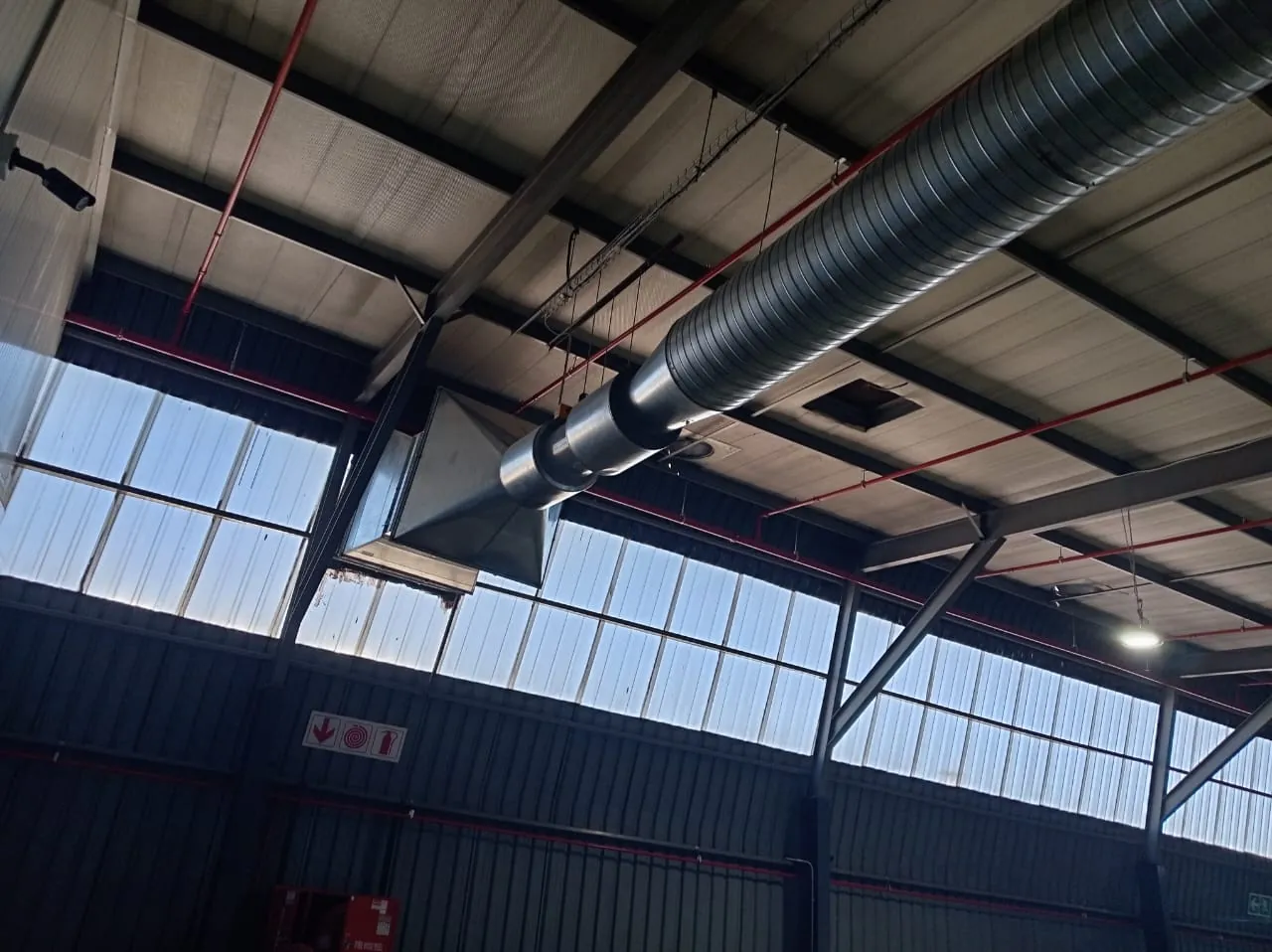
Combustible dust and hygiene controls
Many food powders can be combustible under particular conditions. Explosion protection, equipment location and safe dust discharge need competent assessment. Food safety requirements can also limit recirculation and determine where extraction discharge may go. We will not claim food-grade certification or hygienic compliance without a specified standard and verifiable evidence.
Request a site-based quotation
Equipment and operating considerations
Food manufacturing dust may arise during tipping, sieving, weighing and packaging, often where product containment and hygiene requirements are strict. We review cleanability, potential contamination traps, material compatibility and waste handling before suggesting a pickup or collector arrangement. Organic powders may present combustible-dust hazards, demanding specialist review rather than ordinary workshop equipment. We also discuss whether wet cleaning, washdown or ingredient changeovers could affect filters and ducting. Equipment access must support safe cleaning without dispersing captured product.
Speak to our industrial projects team
Request an industrial extraction assessment
Technical decisions that affect the result
Dust extraction in food production must work with hygiene, product handling and cleaning requirements. Powder may escape during tipping, blending or packing, and collection near those operations can reduce spread into adjacent production zones. We consider dust moisture and whether cleaning methods could cause deposits or damage filter media.
A food-processing enquiry should describe the ingredients handled, allergen separation requirements where applicable and how collected material is removed. Organic powders can be combustible, so risk assessment and suitable controls are essential. Equipment should be accessible for cleaning while avoiding arrangements that reintroduce collected residue into hygienic areas.
Operating requirements and practical checks
Food-process extraction needs a clear separation between production hygiene and the engineering arrangement for waste collection. The location of filter changes, discharge bins and cleaning points can create contamination risks if poorly positioned. We would coordinate the proposed duct route with cleaning methods and operational flow through the premises. The final equipment and any specialist hazard protections must reflect the ingredients actually used rather than an assumed generic food dust.