
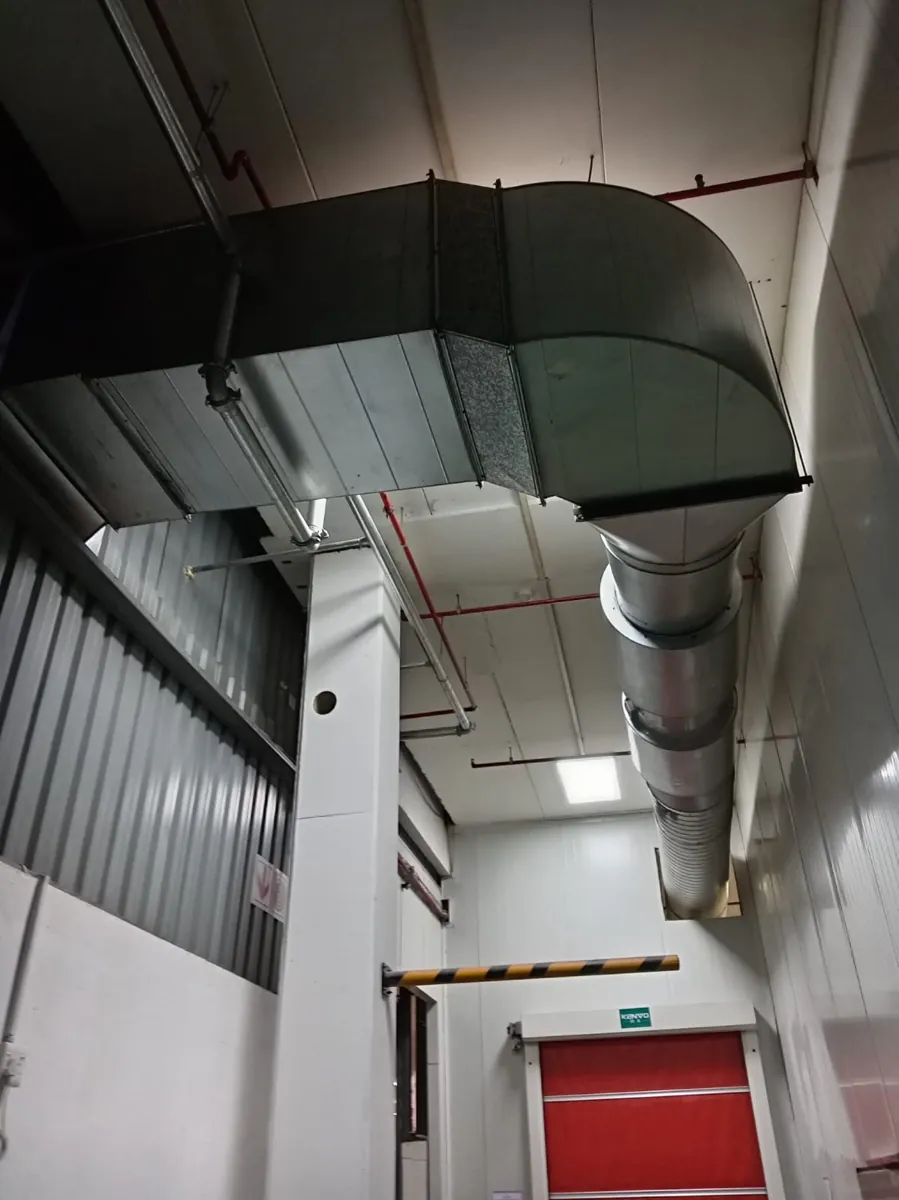
Paper waste and fine dust are different streams
Die cutting, trimming, scoring and packaging production may generate loose offcuts as well as fine paper dust. We review whether the need is trim extraction, particulate collection or both, and how waste is currently transported out of the production area. The correct duct and separation arrangement depends on the type and volume of material.
Integration with high-speed machines
Capture positions must suit moving webs, cutting tools and maintenance access. High-speed machines may require continuous operation with minimal stoppage, so collector serviceability and waste-bin capacity are commercial concerns. We discuss equipment position, fan noise and how maintenance can occur without blocking loading or material handling.
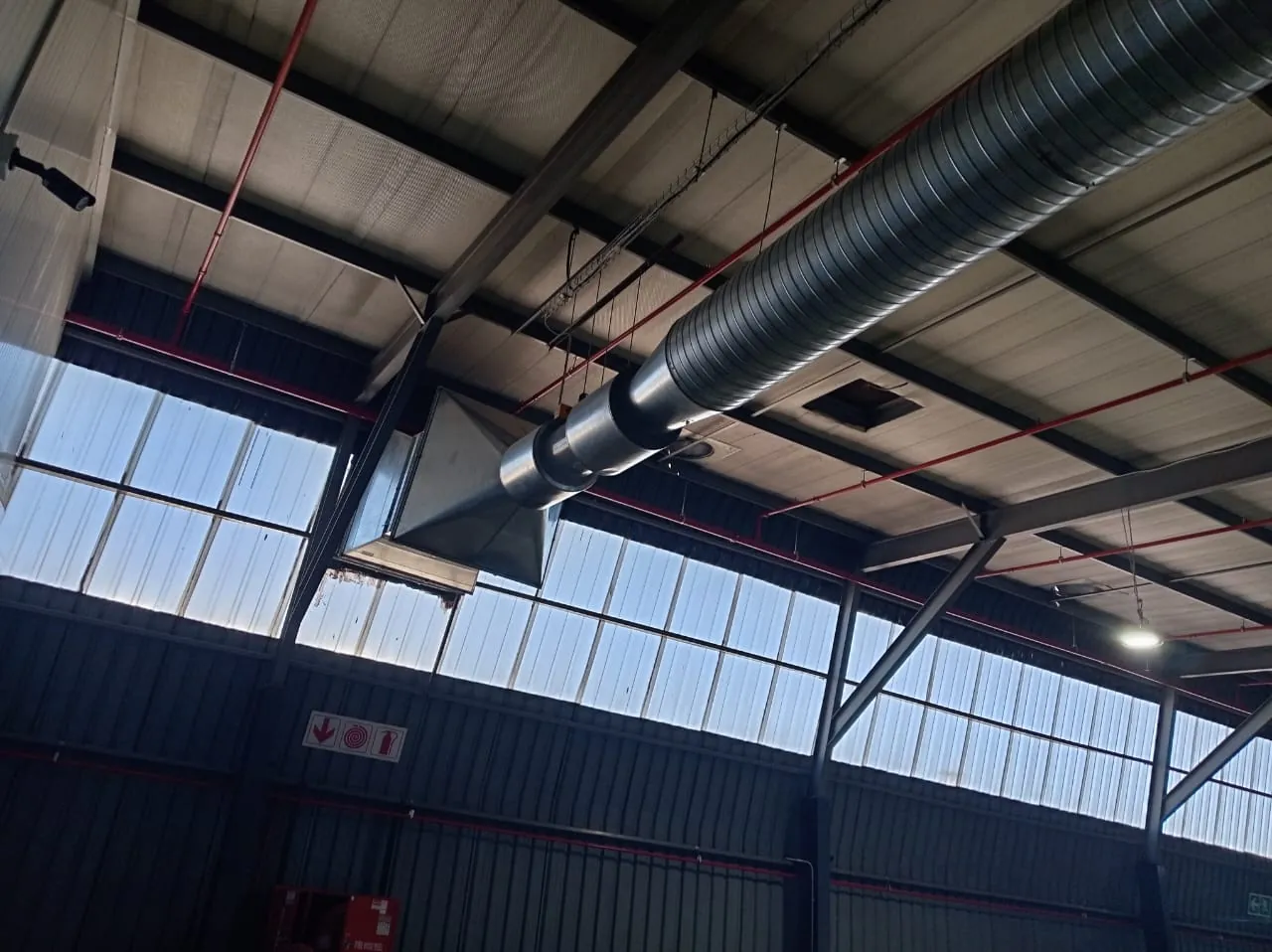
Filters and fire safety
Paper fines and other packaging materials may create combustible-dust hazards. Equipment choice and safe discharge require a competent process risk assessment. Sticky adhesive residues or mixed plastic films also influence clogging behaviour and whether conventional dust filter equipment is appropriate.
Request a site-based quotation
Equipment and operating considerations
Paper trimming, board converting and packaging processes can generate light fibres and dust that collect around moving machinery. We examine where debris is released and whether pickup can be located without obstructing web paths or operator access. Fine paper dust behaves differently from heavier cuttings, so duct velocity and separation method need attention. Cleaning access and continuity of production influence equipment placement. A useful quotation includes production line drawings, material types and photographs of the existing extraction arrangement.
Speak to our industrial projects team
Request an industrial extraction assessment
Technical decisions that affect the result
Printing and packaging facilities may produce paper trim, fibre debris and process dust at cutting, slitting and finishing stations. The collection point should keep material away from product quality areas without obstructing operators or material feeds. We assess whether a duct must transport coarse offcuts or only fine suspended particles, since these demands are not identical.
A project brief should list the equipment, material types, cutting speeds and waste removal approach. Maintenance access becomes important where scrap accumulates at turns or extraction points. Where solvents or coatings are used, their vapours need a separate hazards and ventilation assessment rather than being treated as ordinary paper dust.
Operating requirements and practical checks
Paper trim extraction and fine dust filtration may need different collection provisions. We would identify whether the main waste consists of continuous offcuts, short fibre fragments or airborne particulates at finishing machines. These details affect duct blockage risk and the receiving bin or separator. A sensible maintenance scheme should give operators a safe means of recognizing full containers or deteriorating suction before debris reaches moving machine parts.
Filters and collection bins should be located where operators can observe changes in loading and maintain them without interfering with machine safety guards or paper-feed paths.