
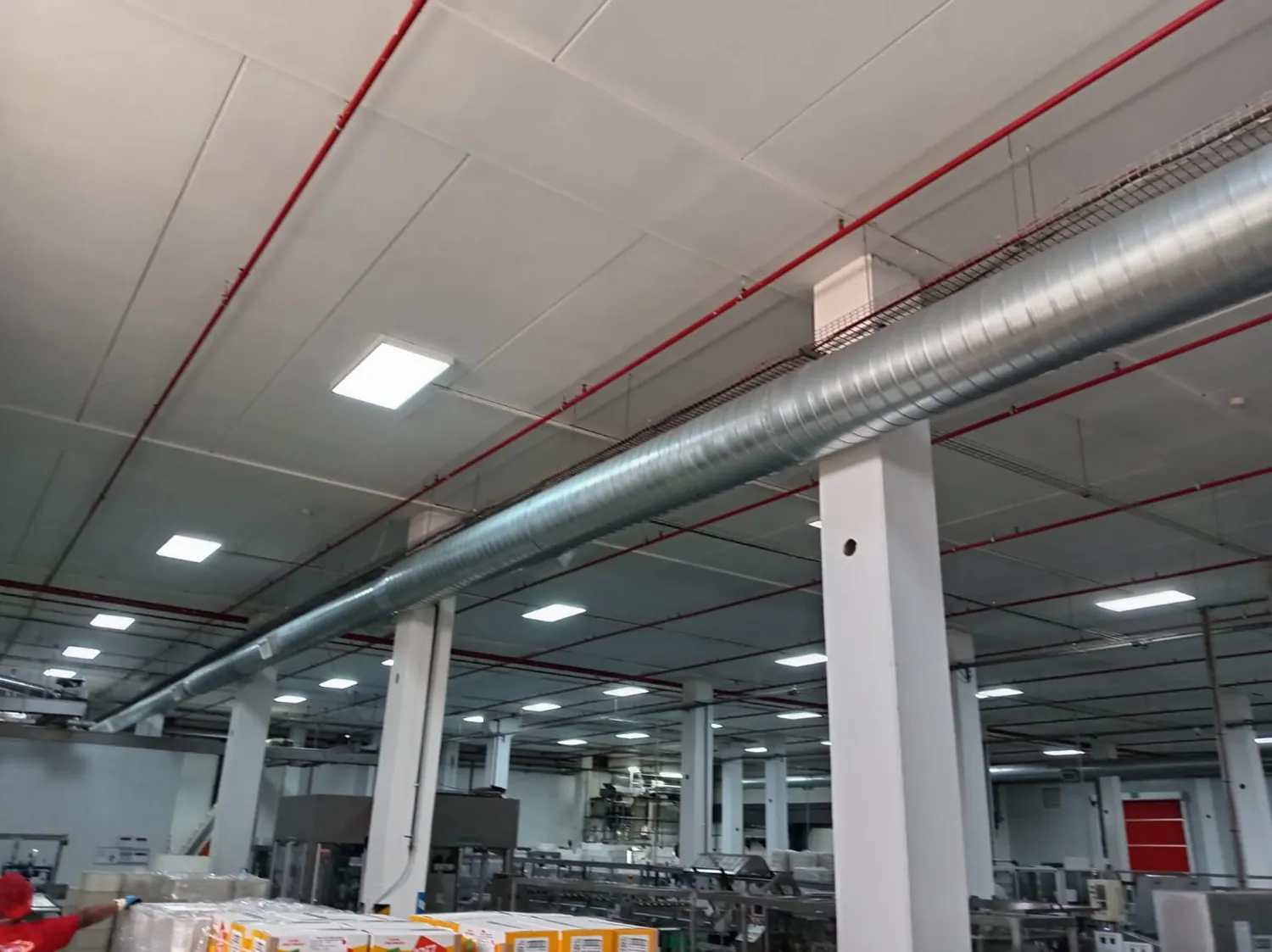
High particulate from cutting tables
Plasma cutting generates metal fume, particulate and heat at the table. The selection between downdraft extraction, sectional table capture and other arrangements depends on machine design, material thickness and cutting duty. We examine whether the operator sees fume escaping from specific table zones and whether existing extraction is operating when the torch moves.
Capturing emissions through the table
Table compartments, duct routes, dampers and the collector fan must work together. A high quoted fan capacity is of little use if airflow leaks through unused sections or is lost to clogged extraction passages. We consider access for dross removal, wear protection and filter maintenance in a working fabrication environment.
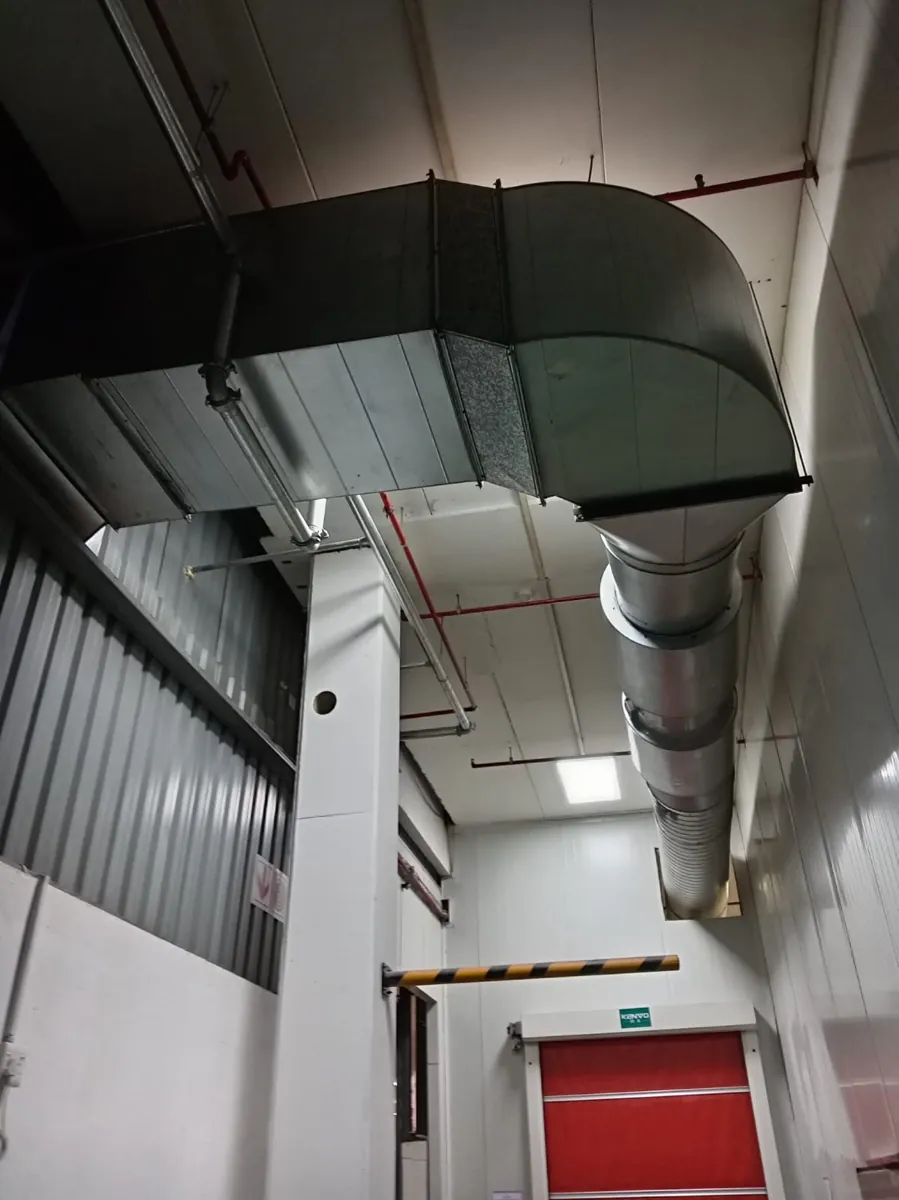
Protection for the collector
Hot particles and sparks can reach downstream equipment if the design does not address separation and suitable safeguards. The processed metals also influence filter suitability and potential combustible dust risks. These issues require application-specific safety review; we will not promise that generic cartridge filtration is safe for all plasma-cutting duties.
Request a site-based quotation
Equipment and operating considerations
Plasma cutting can generate significant fume and particulate during active cutting. An extraction system may use a downdraft table or other capture arrangement, but its effectiveness depends on where the cut occurs and how the workpiece blocks airflow. We examine table zones, machine travel and the metals processed. Sparks and hot particles create equipment compatibility questions before filtration is selected. A site enquiry should describe the cutting table, material thickness range and operating schedule.
Speak to our industrial projects team
Request an industrial extraction assessment
Technical decisions that affect the result
Plasma cutting can create metal fumes and particulates directly beneath or around the cutting table. Extraction effectiveness depends on table design, active cutting position, airflow zones and the cutting materials. We assess the machine arrangement and the built-in exhaust connections before suggesting a fan or collector.
A plasma extraction project should identify the table size, sheet materials, operating current and duty cycle, as these affect the emissions and capture arrangement. Processes involving coated or otherwise hazardous metals require suitable exposure controls and filtration decisions. Duct routes must remain serviceable where sharp metallic particles or deposits could accumulate.
Operating requirements and practical checks
Table extraction should follow the cutting zone as the torch moves rather than drawing an indiscriminate volume from every open section. We would ask how the table is segmented and whether dust deposits accumulate beneath the work. If materials or coatings vary, the filtration and safety assessment may also change. Access for removing metallic debris and cleaning the connected duct is a practical part of the equipment specification, not a minor afterthought.
The final scope should explain how slag and accumulated fine particulate will be accessed for cleaning beneath the cutting table.