Identify the actual chemical hazard
A chemical plant may need to control vapours, corrosive mist, powder dust or heat, each requiring different treatment. We do not select an extractor by building size or assume that all fumes can be passed through an ordinary dust collector. We begin by identifying the process, substances, operating temperature and required control objective.
Materials and discharge considerations
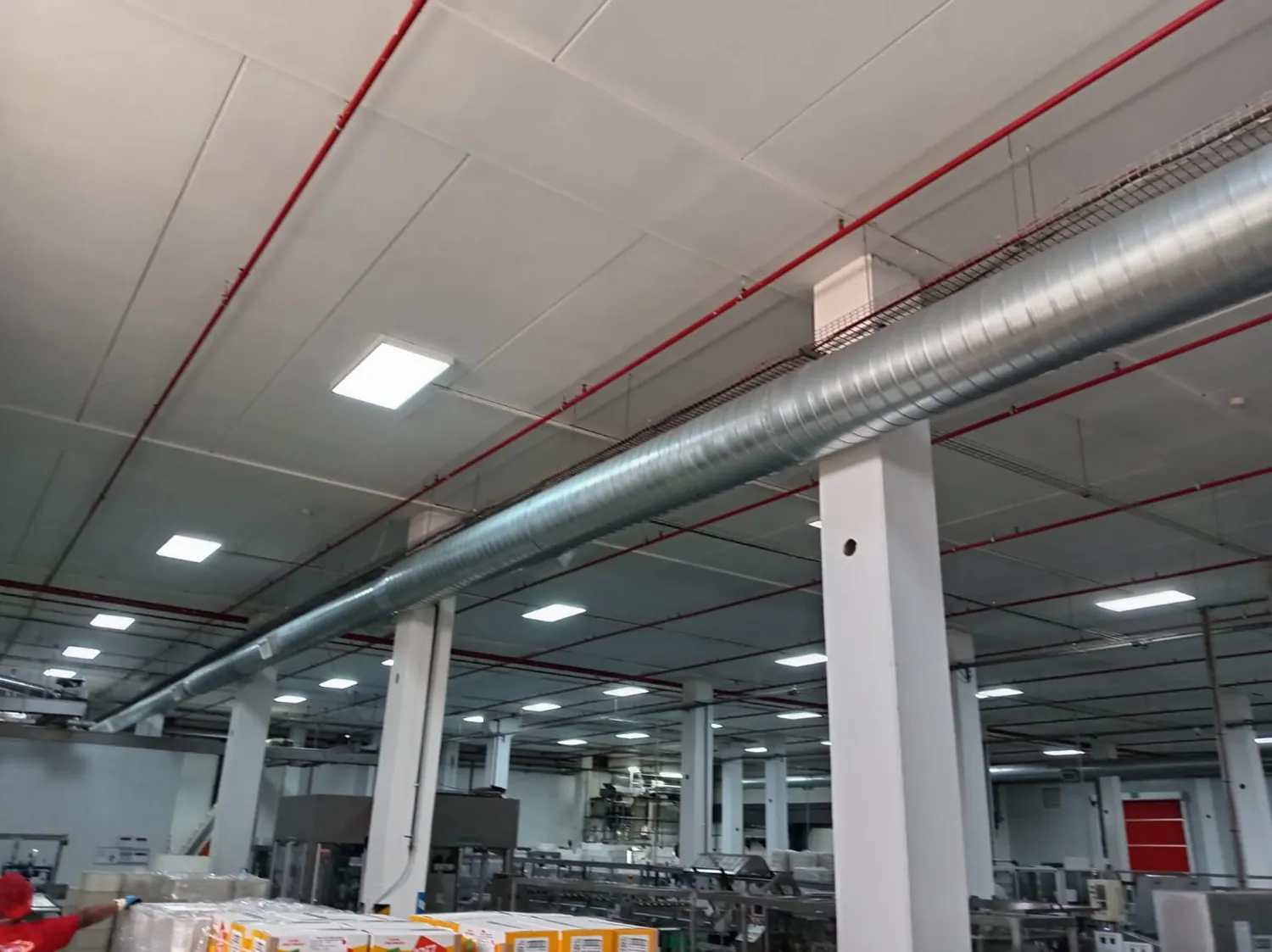
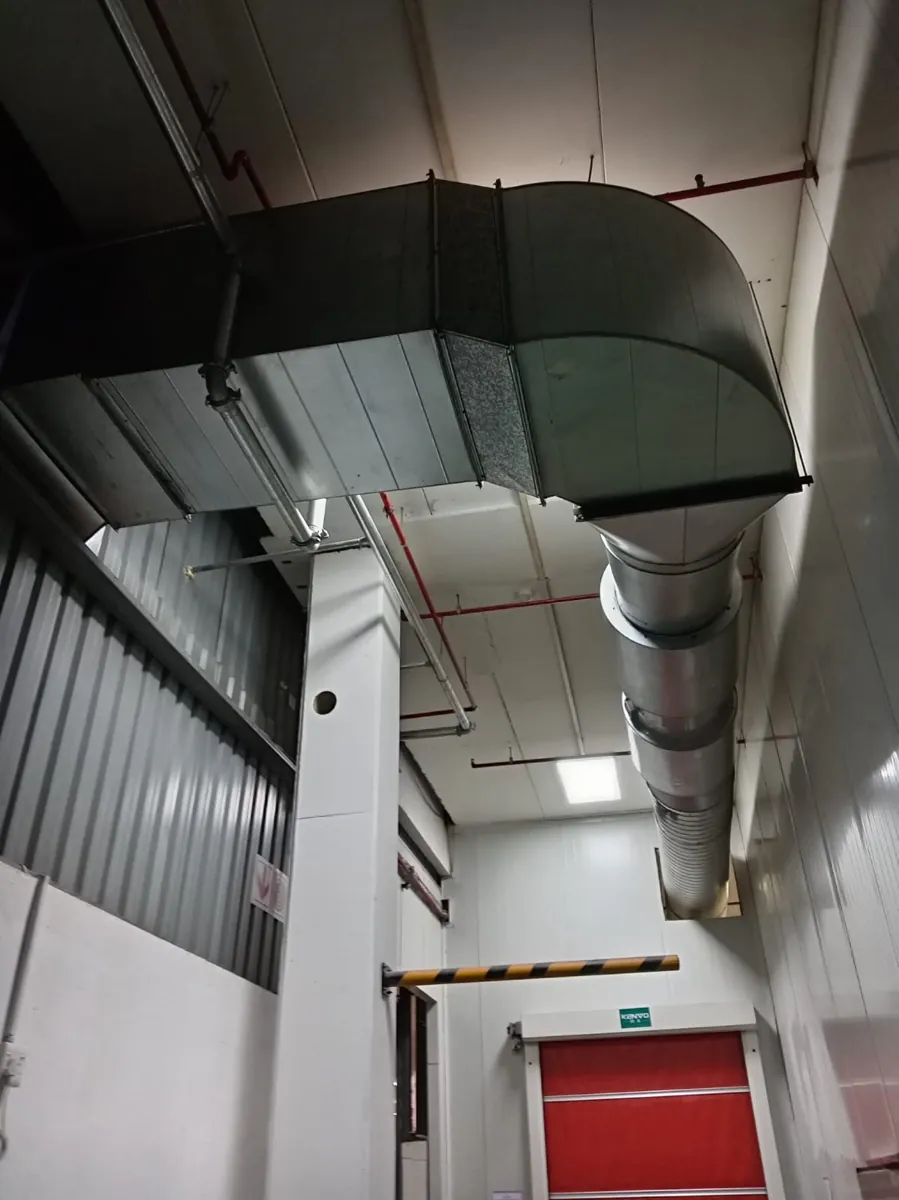
Corrosion resistance, duct leakage, fan position, compatible seals and safe exhaust termination can be critical. Some processes call for scrubbing or other specialist air treatment rather than conventional particulate filtration. The discharge route and nearby air intakes must be assessed so removing fumes from one work area does not introduce another exposure risk.
Hazardous atmospheres and specialist design
Flammable or toxic vapours may require hazardous-area classification and specialist ventilation engineering. Design, electrical equipment selection and environmental approvals must follow the applicable requirements. We distinguish the scope of fabricated ducting or support installation from any certified treatment system that needs qualified process expertise.
Request a site-based quotation
Equipment and operating considerations
Chemical exhaust cannot be designed responsibly from airflow requirements alone. The identity and concentration of vapours, operating temperature and possible corrosion or flammability determine materials, motor suitability and discharge arrangements. A general steel duct or ordinary fan could be inappropriate. We begin by requesting process information and the relevant safety documentation, then define where specialist design assessment is needed. We can discuss suitable fabrication and installation scopes once the chemical duty and required controls are understood.
Speak to our industrial projects team
Request an industrial extraction assessment
Technical decisions that affect the result
A chemical extraction project must begin with the substance and process, not a catalogue fan size. Corrosive vapours, flammable atmospheres and elevated temperatures impose different requirements on materials, seals, motors and discharge locations. We request the relevant process and safety documents before discussing duct fabrication or fan connections.
If fumes are released during filling or decanting, the capture arrangement may need to follow the source closely rather than relying on a ceiling fan. We also discuss whether operation is continuous or linked to specific production steps. Specialist chemical engineering and hazardous-area assessments are required where applicable; the quotation must clearly define which technical approvals and equipment selections are included.
Operating requirements and practical checks
Even minor changes to an extraction duct around chemical processes can affect materials compatibility and safe exhaust discharge. For this reason, the site should define the chemical service, possible temperature excursions and any flammable atmosphere classification before ordinary fabrication is considered. We would coordinate the mechanical scope with the facility's process and safety specialists. A completed installation requires the project-specific verification, not merely evidence that a fan operates.