
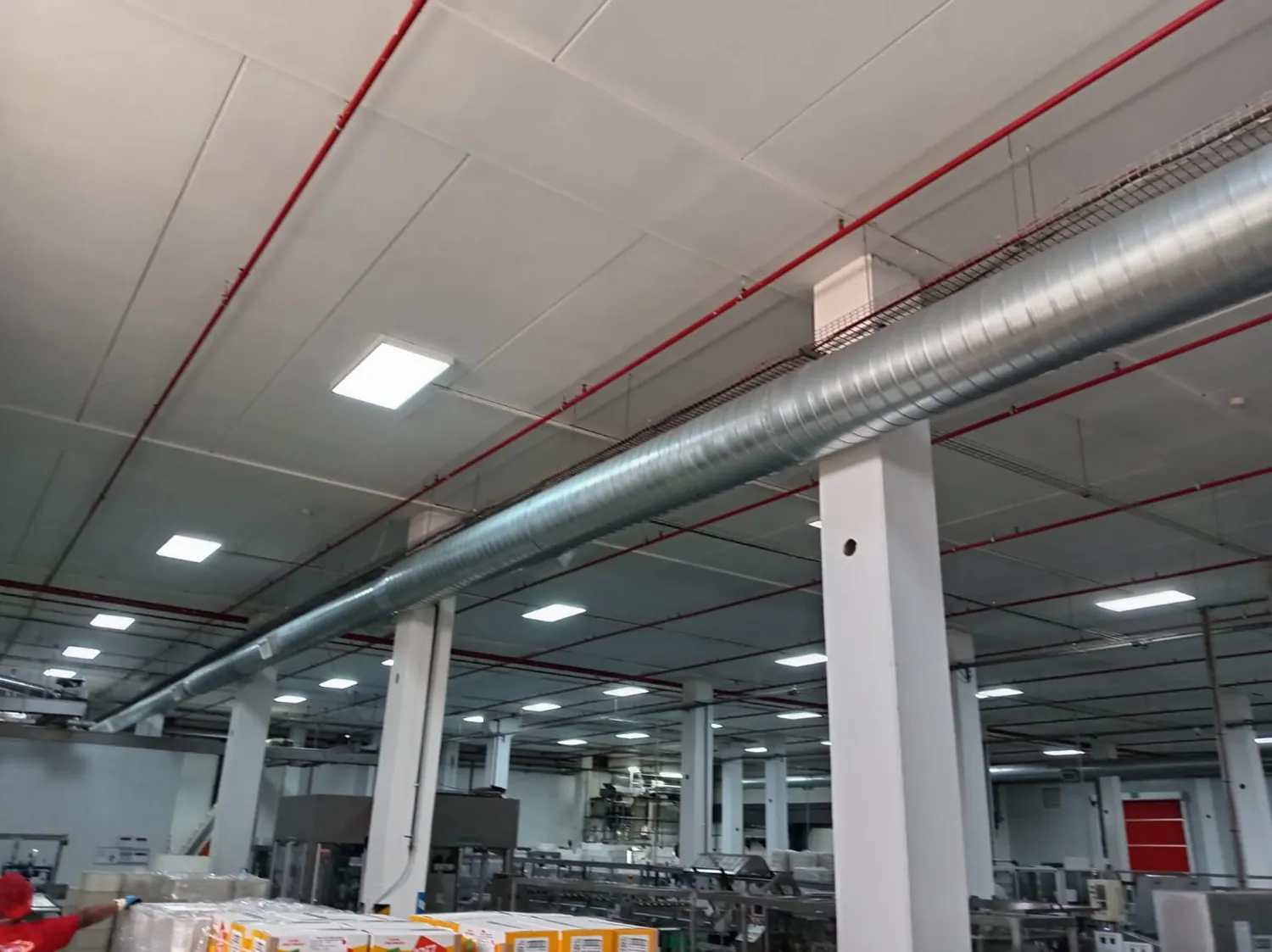
What the work involves
Workshops, bulk-material handling operations and maintenance contractors around Kathu can encounter abrasive airborne dust during cutting, transfer, repair and processing activities.
Wear of duct elbows, fan components and collectors should be considered where dense mineral particulate is handled. Wind at external transfer areas can undermine exposed hoods and needs to be accounted for in the capture arrangement.
Equipment assessment and diagnosis
We review where dust is released, how often it is generated, the condition of pickup hoods and ductwork and whether the current fan and collector are suited to the loading.
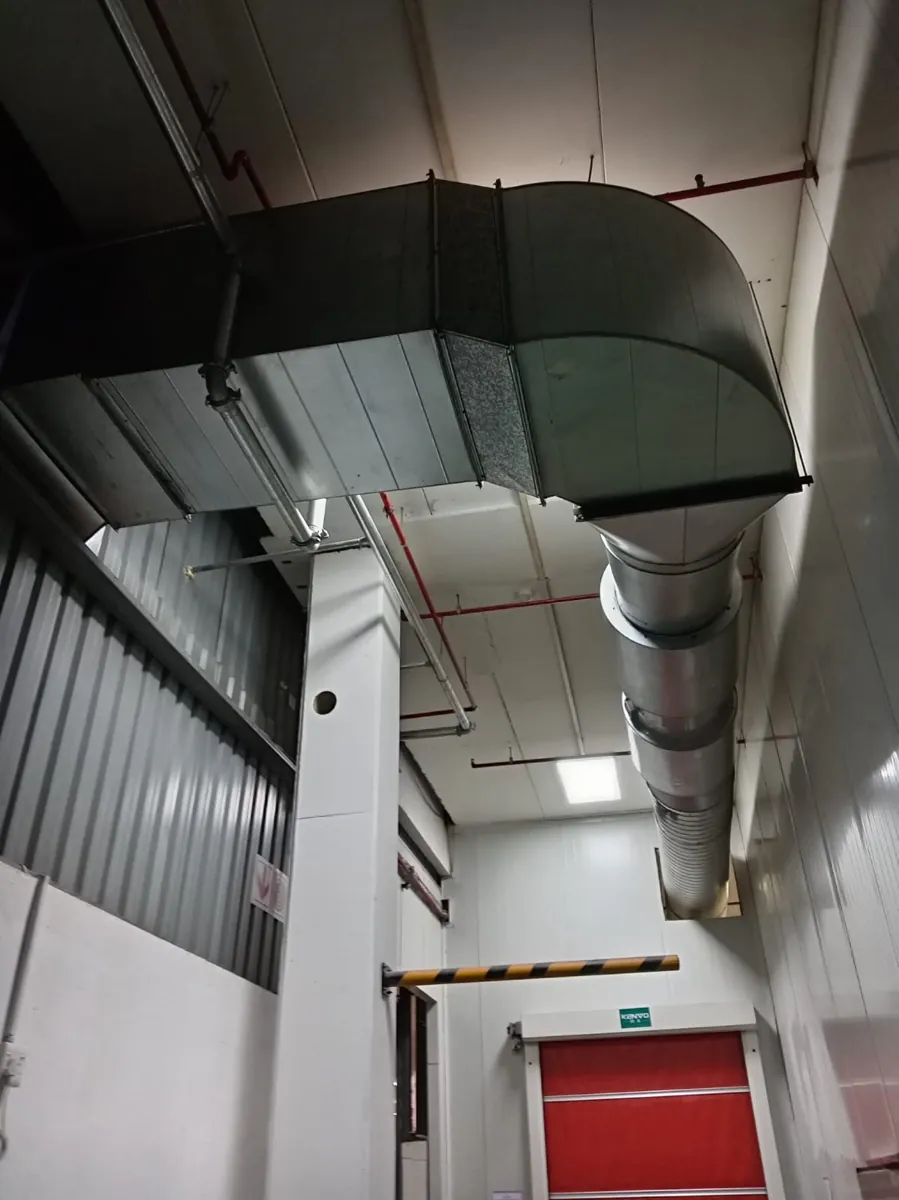
Installation, fabrication or repair scope
A project may involve local extraction hoods, reinforced duct sections, purpose-built dust collection equipment, fan repairs or servicing of an existing filtration system. We define the equipment interfaces before committing to a replacement.
Technical suitability and safe operation
Mineral dust can present serious respiratory hazards. Extraction design, exposure assessment and control verification must match the actual material and work process.
Equipment and operating considerations
Extraction around Kathu mining-related maintenance and processing work can involve abrasive mineral dust released at transfer and machining points. We consider whether the material is generated continuously or during brief operations, then discuss pickup placement and protection at high-wear elbows. Fine respirable dust must be assessed with appropriate safety controls. A site enquiry should show the process, material and accessible collector position; a bigger fan alone cannot compensate for inadequate capture at the source.
Requesting a project quotation
Send photos or drawings of transfer points, a description of materials and particle sizes where known, operational hours and any maintenance observations.
Related engineering service
View related technical services
Technical decisions that affect the result
Material transfer and mineral processing can place a heavy abrasive burden on duct bends and collector inlets. We would look for deposits, damaged elbows and dust escaping around conveyors before advising whether the main issue is pickup placement or worn extraction equipment. Increasing fan speed without understanding the system can increase wear while failing to capture dust at its source.
For Kathu project discussions, share the material handled, throughput, installed equipment details and access limitations. Dust hazards, including respirable exposure, need a site-specific competent assessment. Fabrication or repair planning should account for the route used to remove worn parts and the way collection can be maintained during production peaks.
Operating requirements and practical checks
A material handling plant can have visible dust at a conveyor transfer despite a collector operating nearby, often because the release point is poorly enclosed or the pickup is too distant. We would review enclosure opportunities before assuming more airflow is required. Duct and filter wear from abrasive particles must also be considered. The project brief should indicate when transfers are busiest and how existing equipment behaves under that load.