What the work involves
Commercial kitchens in Springbok need dependable exhaust for cooking fumes, grease and heat, particularly during concentrated meal-service periods.
A canopy with poor capture or restricted ducting can leave hot, greasy air in the cooking area even when the fan appears to run normally. Replacement air is important to avoid excessive negative pressure.
Equipment assessment and diagnosis
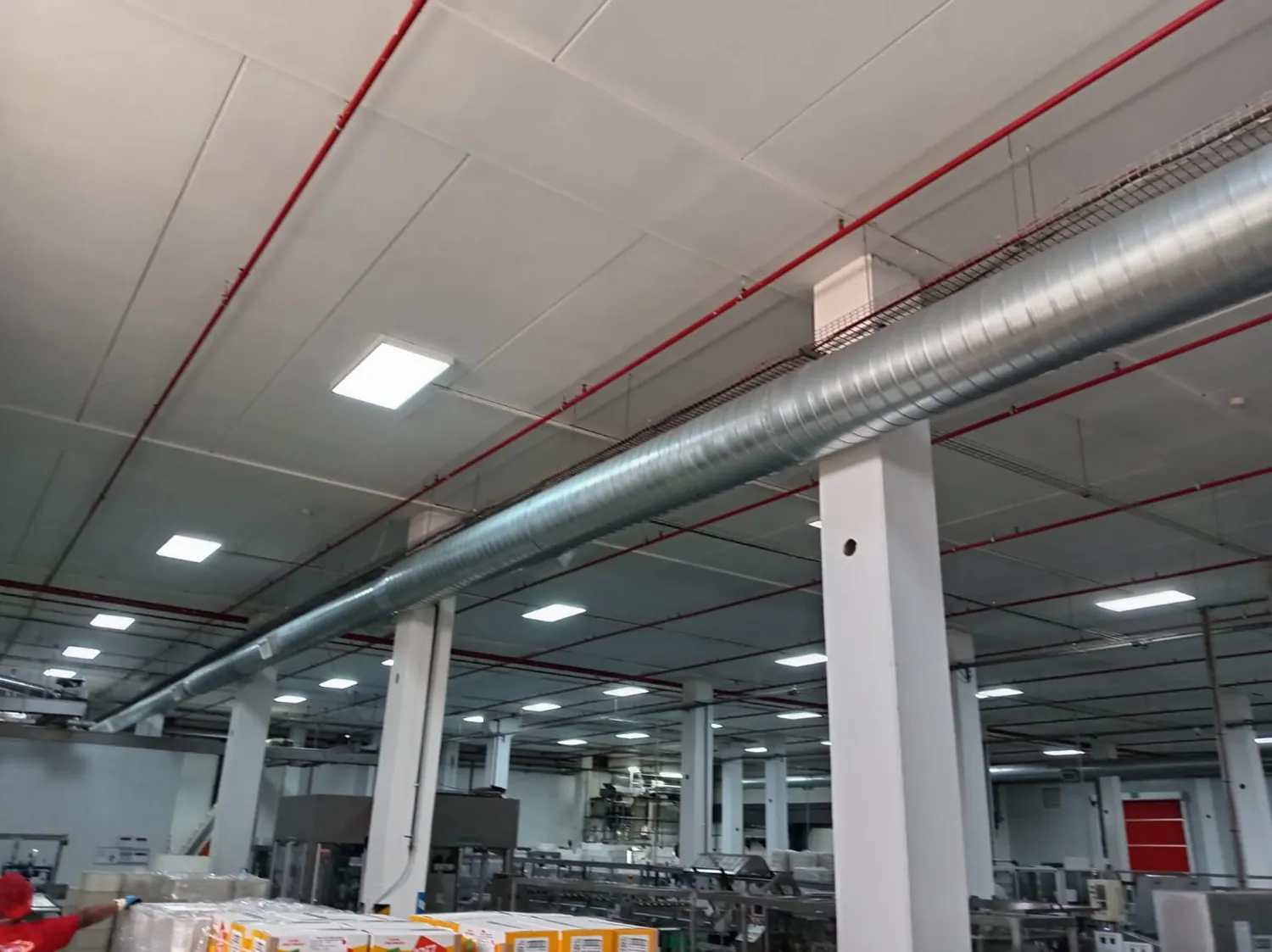
We assess appliance duty, canopy position, grease filters, duct route, exhaust discharge and access for future cleaning.
Installation, fabrication or repair scope
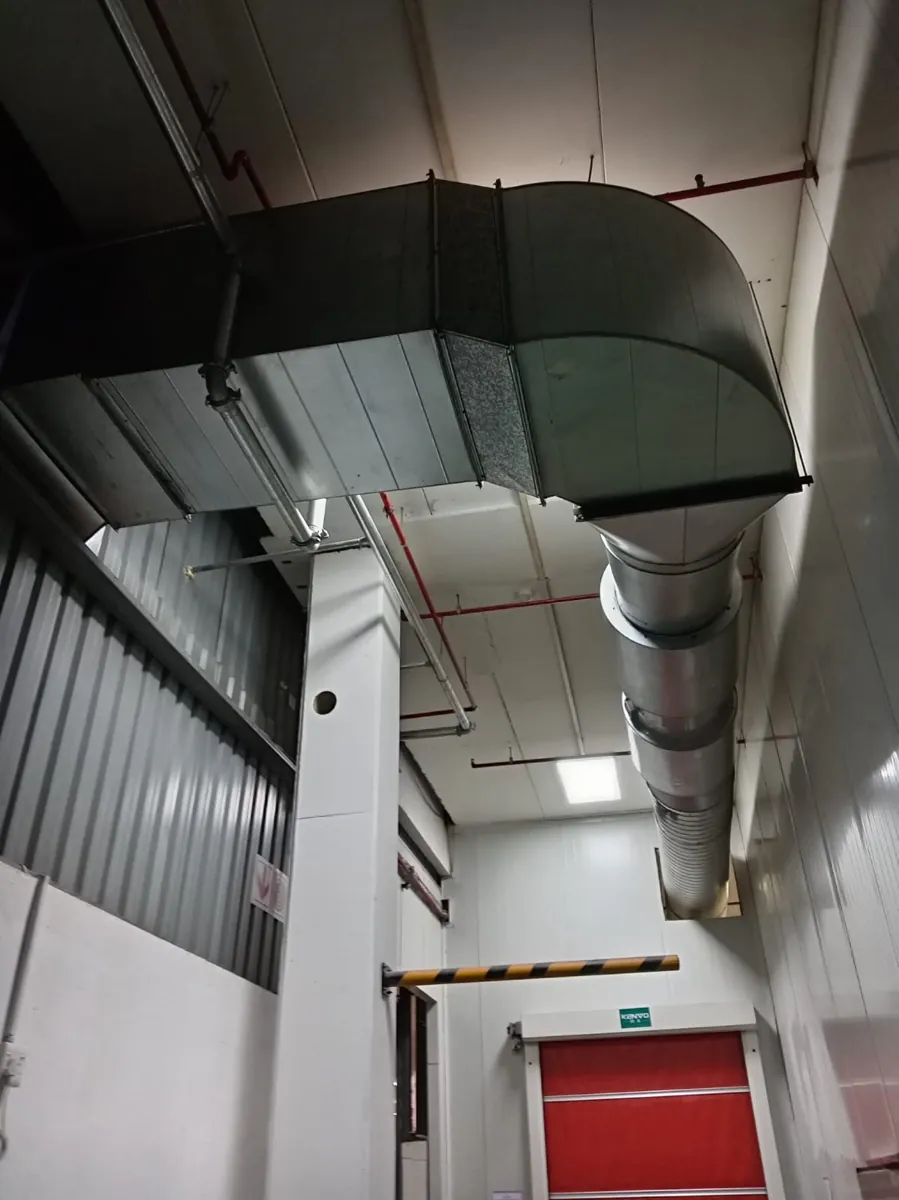
The work may involve a correctly matched exhaust fan, ducting changes, canopy adjustments or repairs to a previously installed system.
Technical suitability and safe operation
Grease extraction and ventilation discharge must follow the applicable fire-safety, hygiene and building requirements of the site.
Equipment and operating considerations
For kitchens serving guests and local customers in Springbok, consistent canopy capture is essential during concentrated cooking periods. We consider duct restrictions, grease-filter condition and how replacement air reaches the cooking line. A small kitchen may still need careful discharge routing where neighboring intakes or occupied outdoor areas are close. Site photographs, cooking-equipment details and roof or wall access information help establish whether repair, replacement or an alteration is the better approach.
Requesting a project quotation
Share photographs of the cooking line and roof or wall outlet, equipment list, existing hood dimensions and current smoke or odour complaints.
Related engineering service
View related technical services
Technical decisions that affect the result
A kitchen can have a running extraction fan while smoke still escapes from the canopy. The cause may be poor hood coverage over new cooking equipment, a blocked grease path, adverse cross-draughts or too little replacement air. During an assessment we would establish which appliances operate together and when the escape is worst, rather than assuming the fan is simply undersized.
For a Springbok food-service premises, roof access and the discharge route may affect whether an existing fan can be serviced or must be replaced. We need canopy dimensions, cooking-line details, pictures of the filter bank and safe access to the duct run. Grease removal and fire-safety obligations require a separate appropriate assessment as part of the final operating arrangement.
Operating requirements and practical checks
If the kitchen was altered after the original system was installed, details of new fryers, grills or ovens are especially important. Changes to the cooking line may produce different plumes and grease loads. The quoted work should specify what happens to the existing canopy, grease duct, fan and air supply rather than presenting a fan-only replacement as a full ventilation solution. Service access and cleaning arrangements should be designed into every retained or replaced component.
We would also discuss access to concealed duct sections before pricing cleaning or repair. A quotation that covers only the accessible hood must not imply that the entire exhaust route has been inspected.