The work and operating conditions
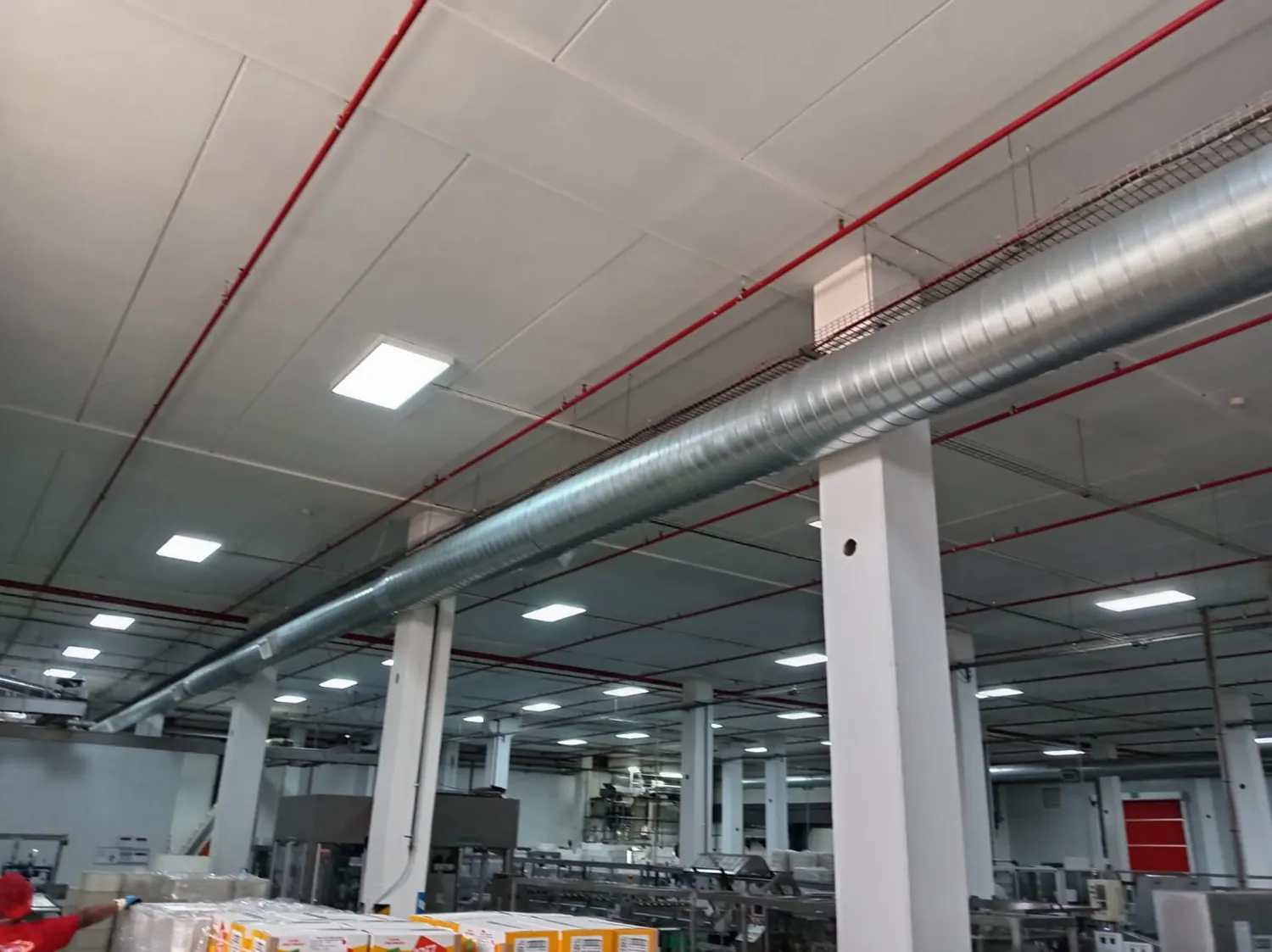
Fabrication shops, plant maintenance facilities and industrial stores around Welkom may need ventilation for heat removal and separate capture solutions for process-generated fumes or dust.
Buildings with high roof volumes can still have stagnant occupied work zones. Door positions, machinery heat and existing exhaust routes determine whether general airflow improvements will reach the right areas.
How we investigate the requirement
We consider the difference between thermal ventilation and hazardous emission capture, then review fan condition, supply-air routes and potential restrictions.
Manufacturing, installation and repair approach
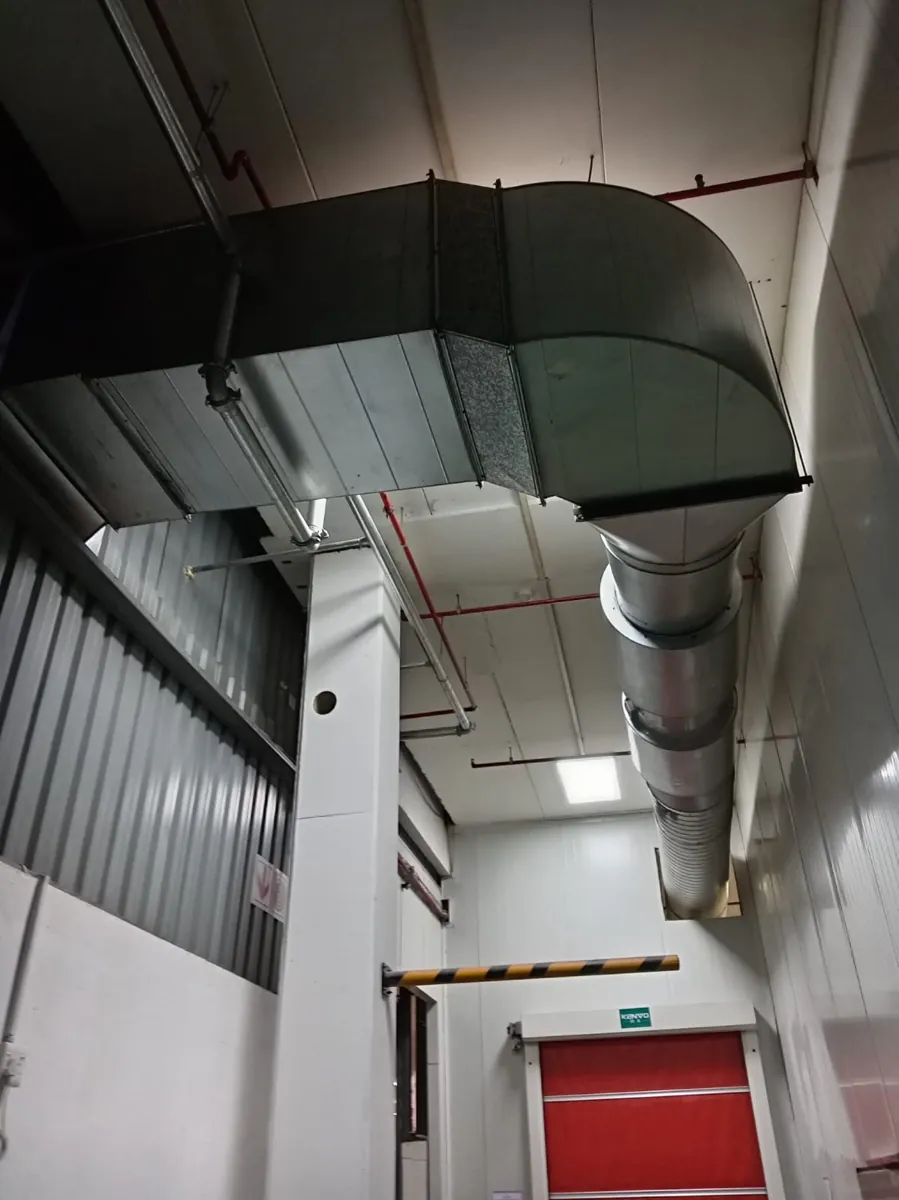
Options may include fan replacement, ducted extraction, revised wall and roof ventilation or a planned maintenance programme for installed equipment.
Site safety and equipment selection
Hazardous processes need appropriate source control and exposure assessment, not an unsupported promise that general ventilation alone will make them safe.
Information to include in your quotation request
Provide photos, approximate building dimensions, work activity, current fan details and which areas become uncomfortable or contaminated.
Discuss your Free State project
Call 070 602 7216 or request a project quotation.
Equipment and operating considerations
Ventilation work around Welkom may include industrial workshops and material handling where heat and airborne dust are concentrated at particular points. We examine whether the complaint affects the whole building or a small work zone, then distinguish roof exhaust, ducted extraction and localized capture options. Existing structural steel, crane routes and intake positions affect feasibility. Material-specific dust hazards must be assessed separately from comfort cooling. The initial quotation discussion should include site drawings and the source of the problem.
Practical ventilation choices for the building
A large industrial building can develop hot or stagnant zones without every part of the factory requiring the same airflow. We look at where staff operate, the available inlet paths and whether process machines generate airborne contaminants needing local extraction. This distinction avoids assuming that one oversized wall fan will resolve both heat and dust complaints.
For Welkom enquiries, please identify roof height, existing fan positions and whether the problem occurs throughout the day or only under full production. Where dusty material handling is involved, the dust properties and site controls need review. Installation planning should include maintenance clearances and how work around an operating facility can be isolated safely.
Airflow evaluation and equipment access
A facilities manager may report poor air quality when the underlying problem is stagnant heat, dust at one workstation or exhaust discharge recirculating into an air inlet. We would investigate these complaints separately before combining them into a ventilation project. The proposed arrangement should allow safe maintenance and be tested when the relevant machinery is operating. General ventilation cannot be offered as a substitute for required local hazardous-emission controls.