
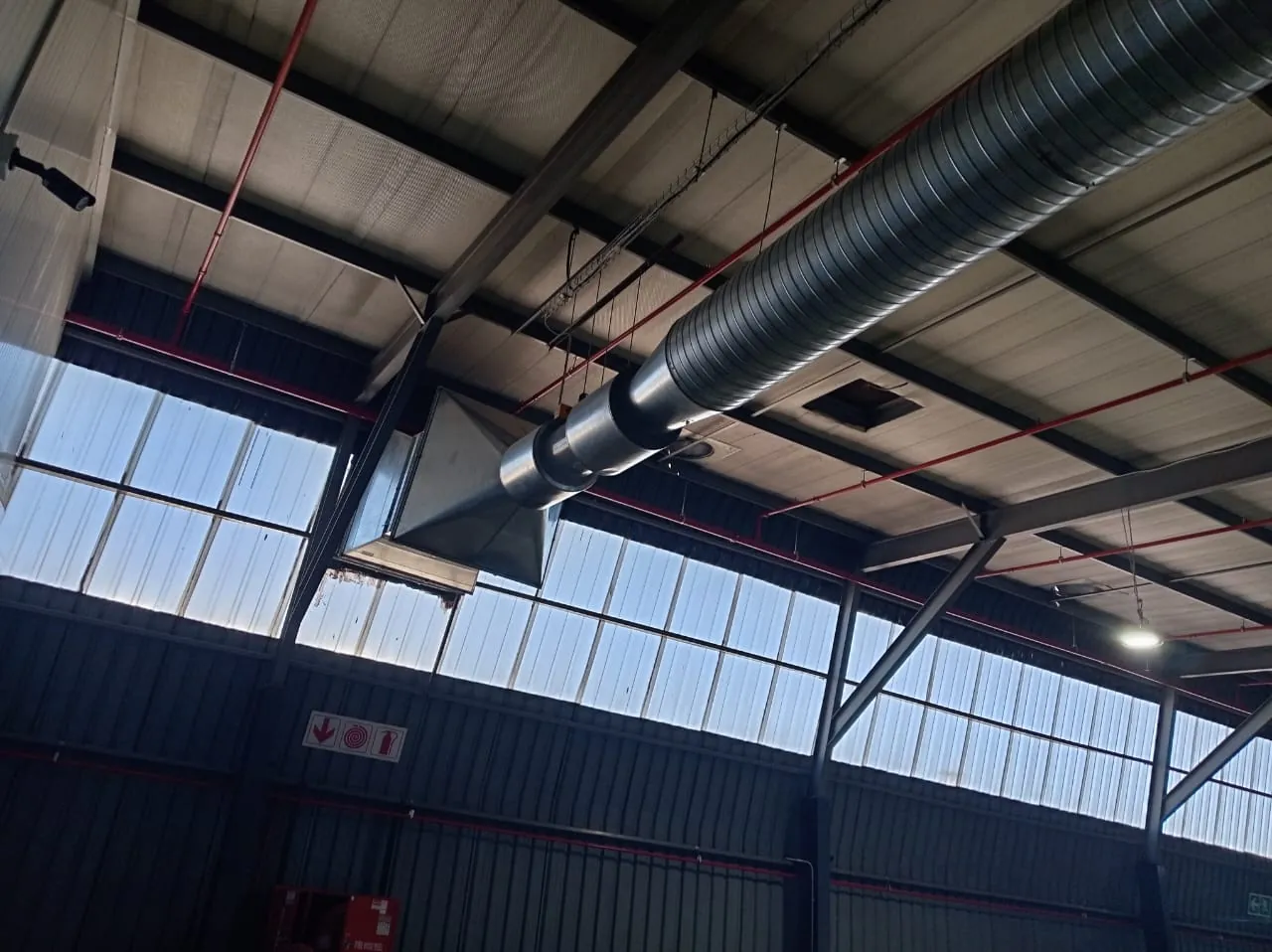
When an existing installation no longer keeps pace
Production changes, increased equipment density and building extensions can make older cooling or ventilation systems inadequate. We work from the current operational problem: excessive heat, stale areas, repeated system trips or poor extraction near machines. The right intervention may involve distribution changes, extraction improvements or equipment replacement.
Diagnose before enlarging equipment
More nominal cooling capacity does not necessarily correct blocked airflow, poor fresh-air supply or hot discharge recirculation. We review where heat is generated and how it is removed. Existing maintenance records, occupancy patterns and observed temperature complaints help distinguish capacity shortage from defective equipment.
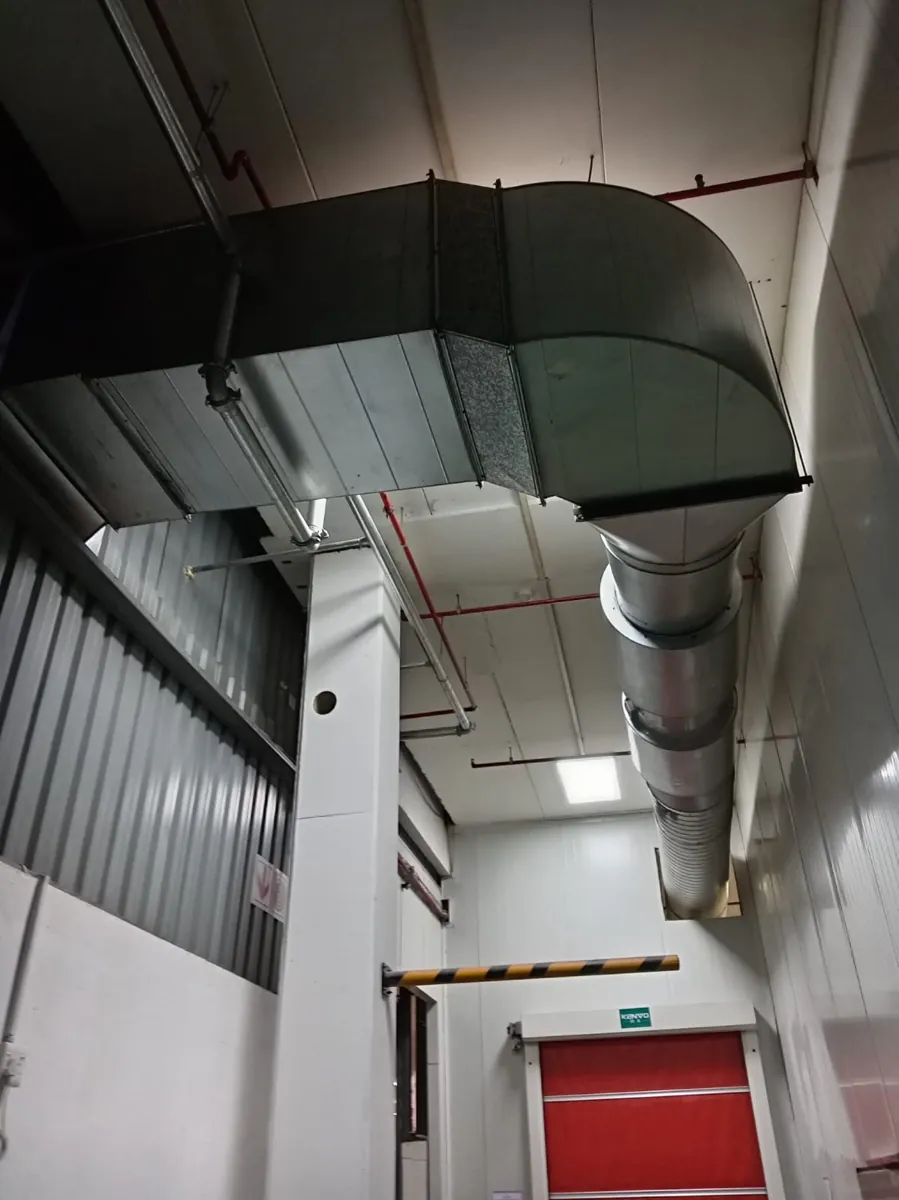
Upgrade options
Potential scopes include duct alterations, fan replacement, relocation of outdoor units, air-conditioning modernization and integration with industrial extraction. Each option must be checked against site constraints, available services and operational requirements. We avoid specifying equipment solely from floor area without considering process heat loads.
Implementation with minimum disruption
Retrofitting often means working around production lines, storage racks and operating staff. Site access, shutdown windows, lifting and safety segregation affect cost and programme. We discuss staged work where practical and identify temporary changes to plant operation before construction starts.
Start with the problem
Send site layout, equipment descriptions, production hours, the areas that overheat, seasonal changes and existing system details. A useful upgrade proposal should compare the problem with the intended outcome and establish what needs surveying or engineering review.
Equipment and operating considerations
An industrial cooling upgrade should distinguish sensible heat removal, fresh-air requirements and contaminant extraction. Increasing the capacity of an air-conditioning system may not solve a localized heat or fume plume, while a ventilation-only change may be insufficient for a temperature-critical process. We review machinery additions, current airflow routes and occupancy before comparing options. Existing electrical capacity, downtime windows and duct space influence installation feasibility, especially where production cannot stop for extended periods.
Discuss your project with our team
Request an HVAC project assessment
Practical ventilation choices for the building
An industrial cooling upgrade should begin with a map of process heat sources, occupied zones and air already entering or leaving the building. Additional fans may move hot air without improving conditions at equipment operators if the inlet route is wrong. Local equipment cooling, source exhaust and general building ventilation may need different solutions.
We examine the operation's duty cycle, building height and future machinery plans before describing an upgrade. Existing fan and ductwork condition should be reviewed rather than discarded automatically. The installation scope should account for shutdown periods, electrical capacity and verification of working conditions under representative production loads.
Airflow evaluation and equipment access
A good upgrade brief states what currently fails: excessive heat at specific machinery, poor movement of replacement air or a shortage of cooling capacity for defined processes. We would consider whether existing fans can be repaired or redeployed before proposing new installations. The work sequence should fit shutdown periods and any controls integration. Performance at representative production load is the relevant basis for handover, not the number of fans installed.