
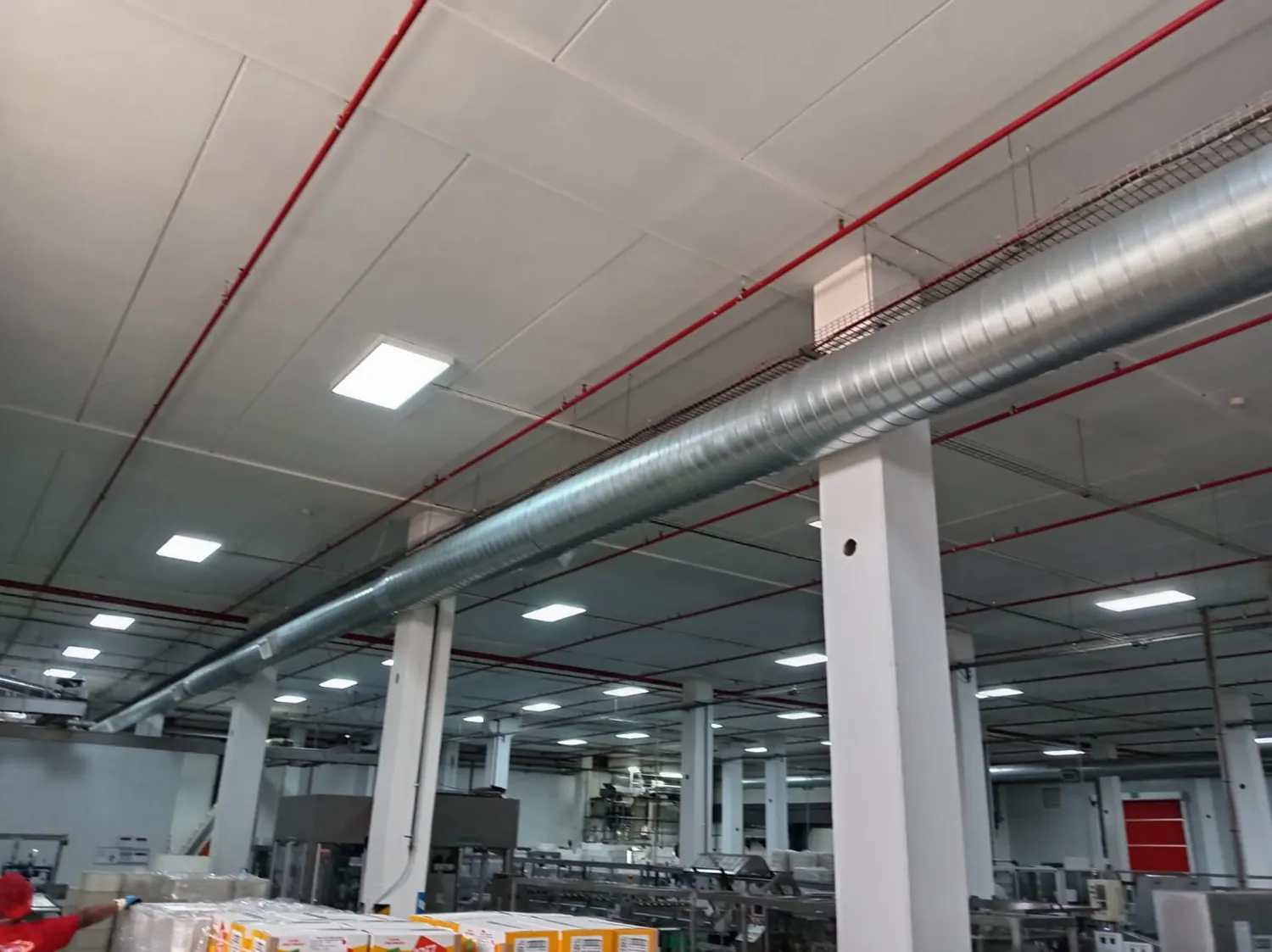
Dust at crushing and screening points
Mineral-processing plants can release heavy dust at feeders, screens, crushers and conveyor transitions. Collection needs to be positioned around the actual release points and operating conditions, including wind effects and access for clearing material. We discuss which parts of a process line are enclosed and where dust escapes during normal throughput.
Wear and system reliability
Abrasive particles can accelerate wear in duct bends, hoods and fan impellers. Collector selection, pre-separation and inspection access should respond to particle size and volume. Existing systems may lose suction through duct erosion, blocked hoppers or changes in production load. Correcting only a damaged fan without examining these causes may lead to recurring failure.
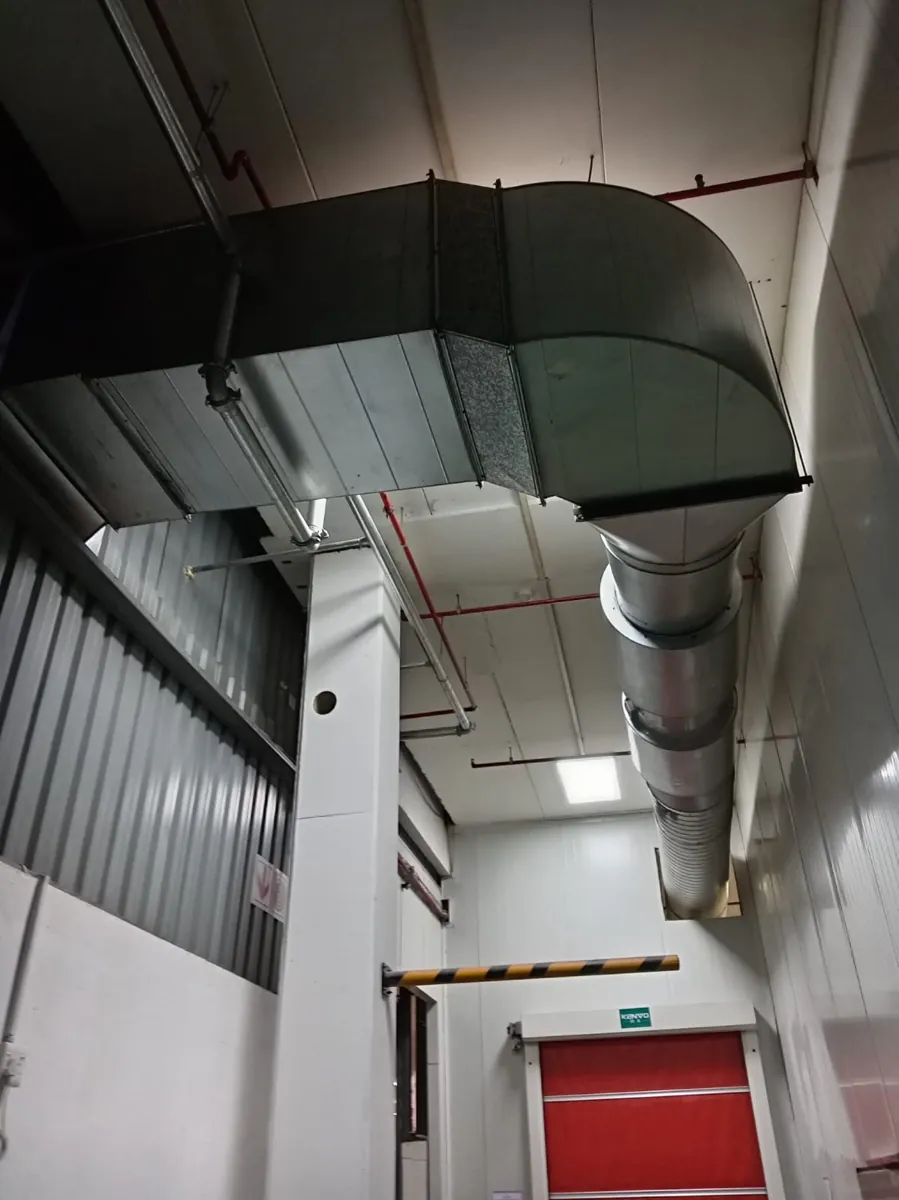
Material and exposure factors
Different minerals have different occupational exposure and filtration requirements. Silica-bearing dust and other hazardous constituents call for qualified risk assessment and controls. Our manufacturing and installation discussions will use the actual dust characteristics and plant requirements, not blanket statements that one collector works for all minerals.
Request a site-based quotation
Equipment and operating considerations
Mineral transfer, screening and crushing can release abrasive dust at multiple stages. We examine whether enclosures or correctly placed pickups can prevent large volumes of particulate entering the building, rather than relying on a remote fan to collect dispersed dust. Duct elbows and collector inlets may suffer wear, while hoppers need a reliable discharge route. Material hazards must be assessed, including respirable mineral dust. Process drawings and transfer rates help establish collector duty and maintenance access.
Speak to our industrial projects team
Request an industrial extraction assessment
Technical decisions that affect the result
Crushing, screening and conveyor transfers often emit dust in short concentrated bursts. We would map the discharge points and examine whether enclosing a transfer could reduce the amount of air that must be extracted. Abrasive particle loading can affect fan blades, elbows and collector inlets, making inspection access an important design consideration.
The quotation should identify the processed minerals, moisture, material throughput and whether emission points operate simultaneously. Existing duct pressure, filter data and wear patterns can help establish whether an upgrade is needed. Hazardous constituents or silica exposure require appropriate competent assessment; a dust collector alone cannot demonstrate regulatory compliance.
Operating requirements and practical checks
Wear patterns can reveal whether a mineral extraction system is handling excessive entrained solids or allowing material to settle and recirculate. We would compare deposits at transfer points, elbows and collector inlet surfaces to help frame the next inspection. Any decision about fan replacement or collector capacity should refer to operating throughput and particle properties. Management of respirable or otherwise hazardous fractions requires site-specific competent assessment alongside mechanical work.