The project requirement
A failed industrial fan often creates pressure to replace it immediately. But matching physical dimensions without checking the system duty can reproduce the original ventilation problem.
We look at the fan type, air volume, static pressure, extracted material, temperature and how the unit is controlled. A fan chosen for clean air may be unsuitable for an abrasive dust stream, while changes to filters or ducting can alter the point at which the replacement operates.
Assessment and technical decisions
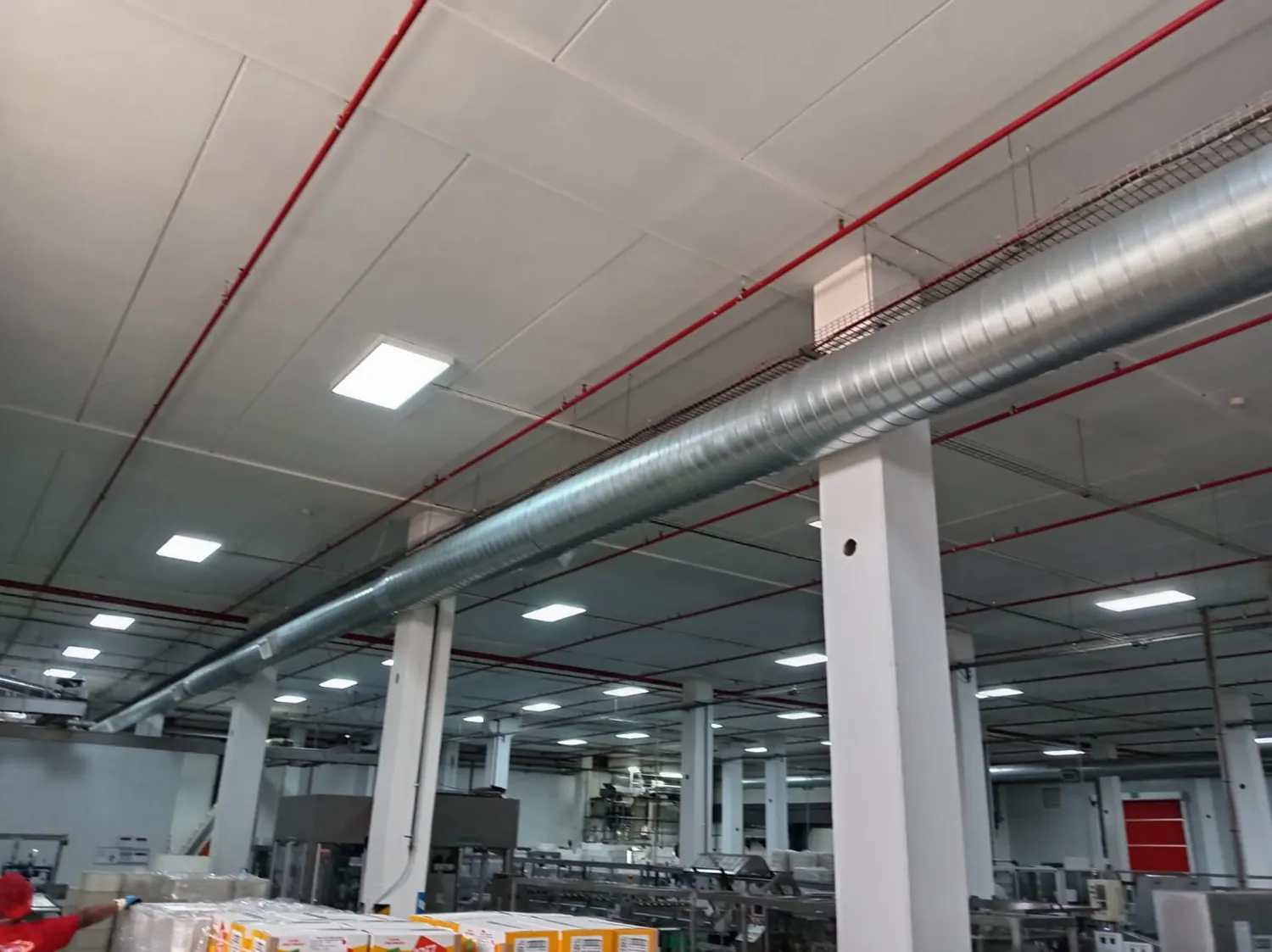
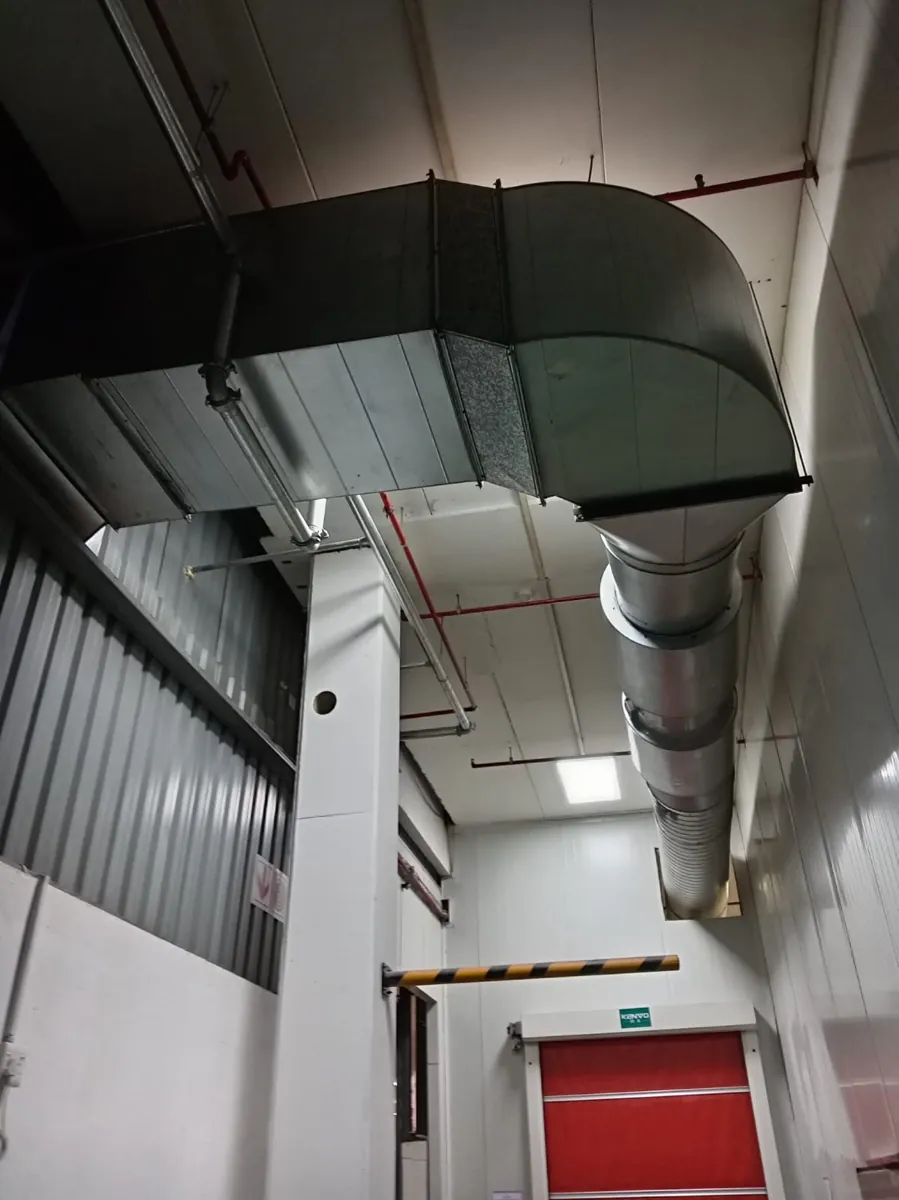
Assessment includes the housing, discharge direction, mounting arrangement, motor, drive system, surrounding access and condition of the connected ductwork. These factors influence whether a repair, rebuild or full replacement is feasible within the available shutdown.
Manufacturing, repair and installation considerations
A scope can distinguish mechanical removal, replacement mounts, motor and electrical interfaces, duct transitions, lifting arrangements and post-installation checks. Any necessary modifications should be identified early for procurement and safety planning.
Safety and system suitability
Rotating equipment must be isolated and secured. Replacement suitability for hot, corrosive or hazardous gases demands appropriate engineering selection, not a generic fan catalogue match.
Information needed for a quotation
Send the existing fan data plate, motor label, photos of the whole assembly and duct connections, any performance figures and the problem that led to replacement. Include restrictions on lifting equipment or maintenance access.
Long-term performance and handover
After fitting, operators should watch for unusual noise, vibration and changes in capture performance. Baseline observations help detect whether the issue was with the fan alone or the broader network.
Avoiding a like-for-like replacement mistake
A fan may fit the original base and still fail to deliver the required airflow when filters, process equipment or ductwork have changed. Replacement planning should establish the current system duty as far as practical, including required airflow and static pressure, temperature, airborne material and the available electrical and control interfaces.
Mechanical interfaces deserve equal attention: inlet and outlet orientation, drive configuration, impeller access, vibration isolation, structural supports and lifting routes can materially affect the work required. For sites with restricted downtime, these constraints should be resolved before delivery.
For a replacement enquiry, send the fan and motor nameplates, overall photographs, connection dimensions, operational symptoms and maintenance history. The resulting scope should clarify what is retained, modified, replaced and checked during handover.
Related services
Explore Industrial Extractor Fan Installation →
Equipment and operating considerations
A replacement fan should be specified for the existing system duty, not solely the dimensions of the old unit. If additional ducting or filters were installed, the present resistance may differ from the original selection. We look at performance symptoms, rotation direction, mounting and electric supply before comparing options. Replacement timing should consider production shutdowns and lifting routes. A suitable proposal should distinguish fan assembly work from any required correction to ductwork, controls or source capture.