
When your operation needs a properly scoped solution
Dust collectors often run for long periods while the condition of their filters, seals and moving parts changes gradually. A sudden shutdown is expensive when a production line relies on extraction to operate. We provide maintenance support focused on identifying developing faults and planning work before failure becomes an emergency.
What we review on site
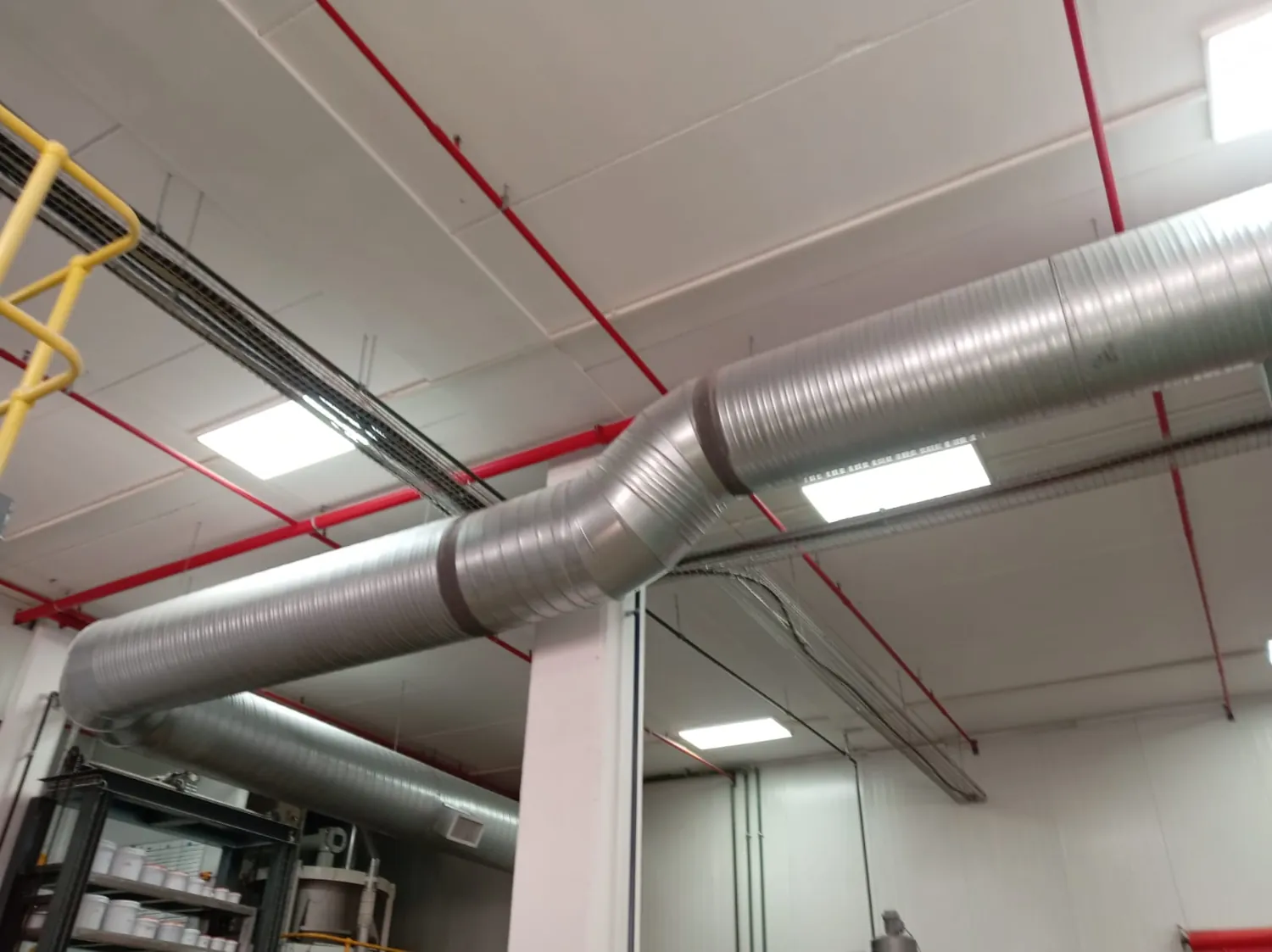
An effective inspection considers filter loading, pulse-cleaning operation where fitted, discharge arrangements, accessible seals, the extraction fan and obvious signs of leakage or deterioration. We also ask operators whether dust deposits are returning to workstations or suction has become inconsistent. Those observations can help distinguish a system-wide restriction from a single poorly performing branch.
How we approach the work
For sites with multiple collectors, maintenance can be scheduled around machine availability and grouped by plant area. We can prepare a scope covering checks, cleaning access, replacement parts and follow-up repairs agreed with the customer. An inspection report should distinguish findings from recommended work so the maintenance manager can make an informed decision.
Technical suitability and safe operation
There is no universal service interval for every collector. Dust loading, operating hours, filter media, manufacturer instructions and material hazards all matter. We will not imply that servicing alone makes an unsuitable installation safe or compliant.
Information that helps us prepare your quotation
Provide the number of collectors, operating hours, filter or manufacturer details, maintenance history and site access rules. We can then discuss whether you require a once-off inspection or an ongoing maintenance arrangement.
Maintenance matched to duty
A collector running one shift on light dust has different needs from a continuously loaded processing line. Maintenance planning should reflect loading, cleaning cycle performance, filter condition, wear exposure and access requirements. The aim is to detect deterioration before it forces an unplanned production stoppage.
What inspections should establish
Service visits can review filter integrity, differential-pressure trends where instruments exist, fan vibration, casing and duct leaks, discharge restrictions, hopper condition and obvious mechanical wear. An abnormal reading should be interpreted against the process condition rather than treated as a universal replacement trigger. Electrical checks must be undertaken by suitably qualified personnel.
Planning maintenance with production
Tell us your shifts, shutdown windows, equipment make, filter history and any recurring faults. We can discuss planned inspection intervals, repair priorities and which items require separate quotation. Written scope and reporting help maintenance teams budget for corrective work.
Plan around shutdowns
Inspection access should be arranged before a production stop begins. Collector location, safe isolation and availability of known replacement components often determine how much useful work can be completed in one window.
Equipment and operating considerations
Collector maintenance should check the full route from pickup to waste discharge. Filter pressure readings alone can miss leaking ducts, poorly positioned hoods or a hopper that is no longer emptying correctly. We examine cleaning cycles, access seals, fan condition and the material collected, then identify recurring faults for follow-up. Records of pressure, damaged media and unusual deposits help distinguish a routine consumable change from a wider system problem. Where hazardous dust is present, maintenance must follow appropriate containment and isolation procedures.
Planning the project with your operations team
Service frequency should follow actual operating conditions, manufacturer guidance and known hazards, not a fixed interval copied from an unrelated site. We clarify the boundaries between equipment supply, fabrication, mechanical installation, electrical work and any specialist verification required. This helps procurement teams compare proposals on the basis of the actual deliverables rather than a headline equipment price.