
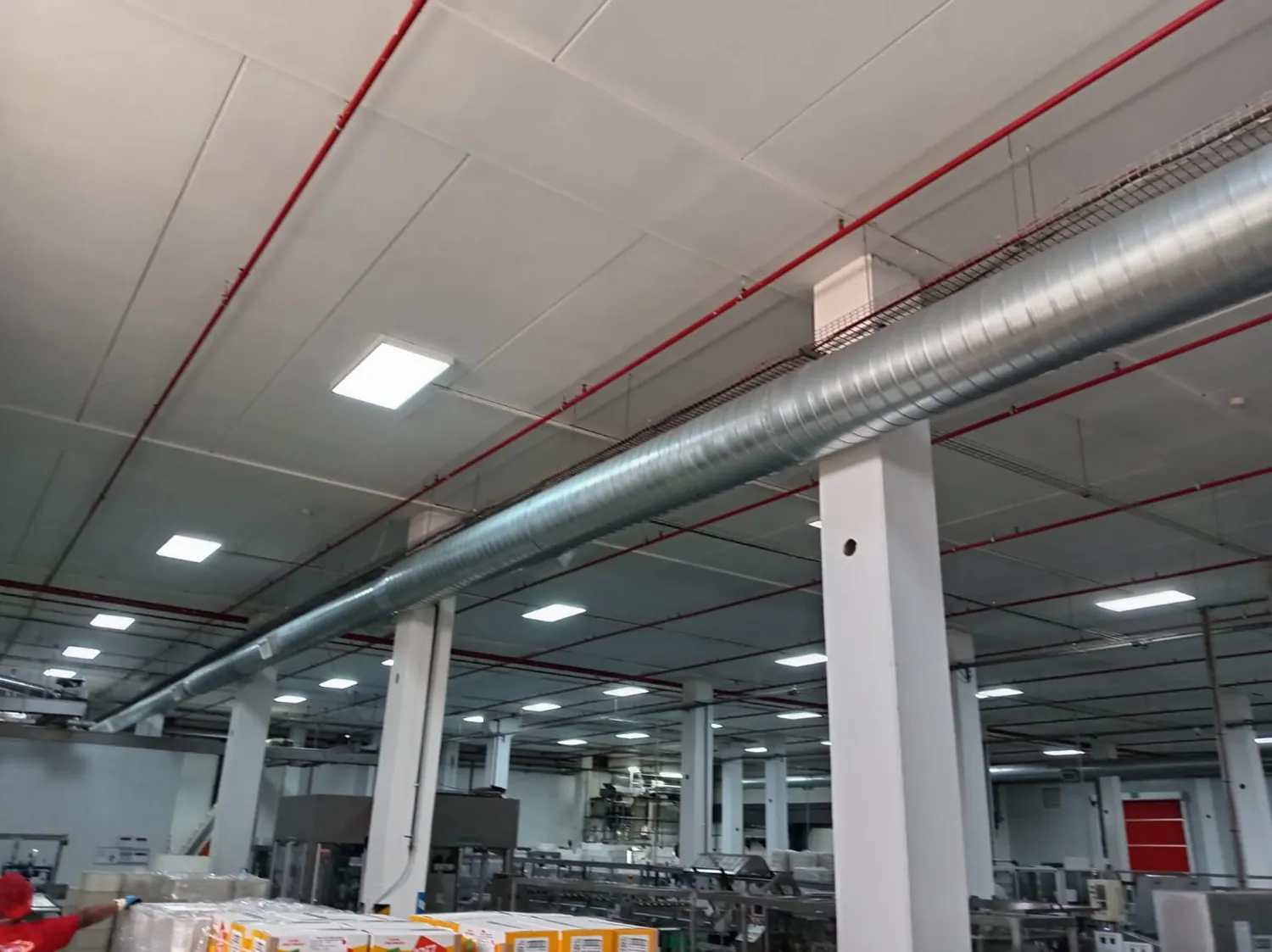
Operating challenges and equipment requirements
Workshops and manufacturing plants in Newcastle can experience collector problems that first appear as poor suction at production machines. A blocked filter is one possibility, but worn fan components, leaking access doors and altered duct branches can produce similar symptoms.
How we establish the right work scope
For diagnosis we ask for differential-pressure trends, filter change dates, discharge arrangements, fan motor data and the process material. We also check whether production has changed since the system was commissioned.
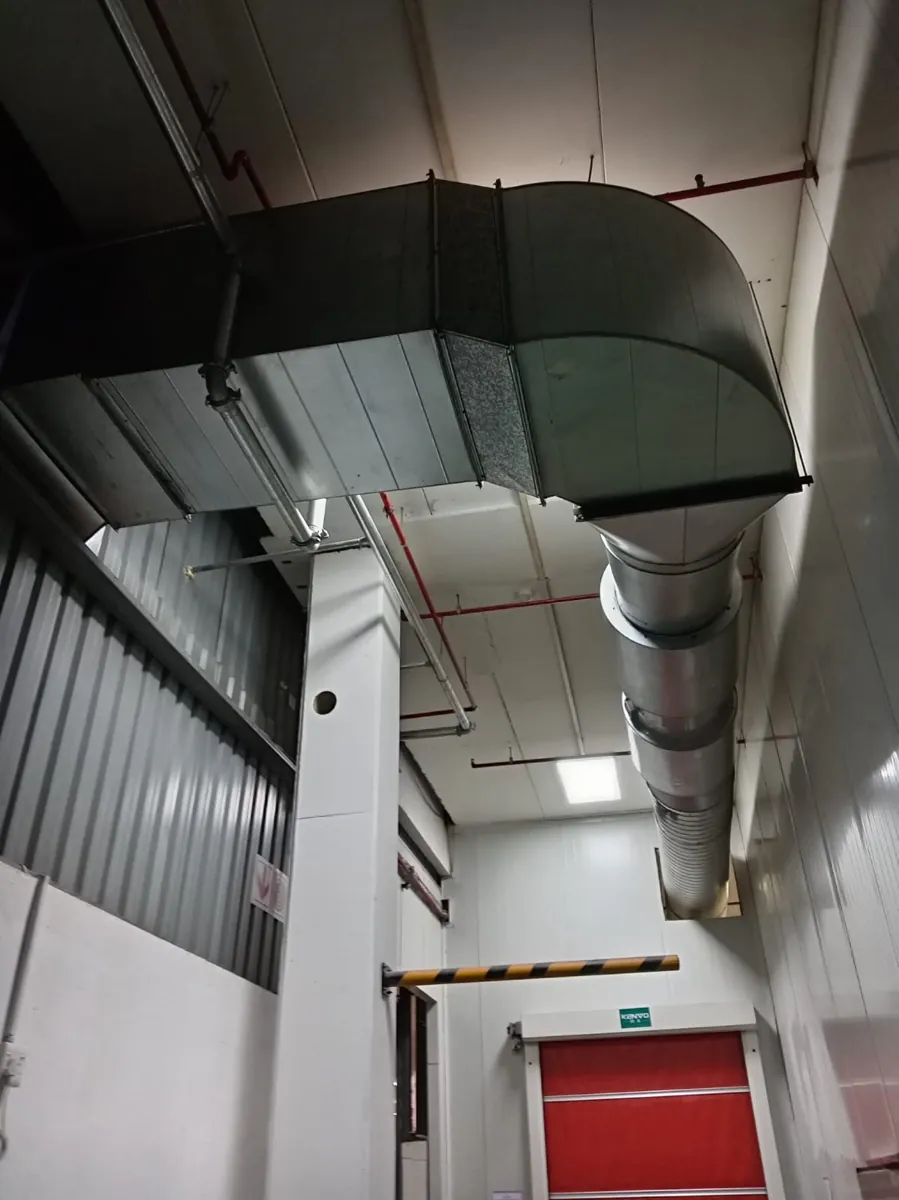
Installation, fabrication and repair considerations
Repair planning may involve filter and seal replacement, fan servicing, hopper or discharge corrections and ductwork inspection. Where the dust is combustible or hazardous, maintenance needs an appropriate safety assessment and controlled isolation.
Information for a practical quotation
Send model photographs, collector dimensions if known and a short description of when performance changed. Include any alarms or cleaning-system faults.
Planning the job around your operation
Diagnosing collector performance in Newcastle plants
Dust collection systems in Newcastle workshops and processing sites can lose effectiveness gradually, making falling capture performance seem like a normal part of operation. Differential pressure trends, repeated cleaning cycles and changes in production are useful clues. Replacing filters without finding the cause may waste maintenance funds.
Our initial fault scope considers damaged or blinded media, pulse-cleaning performance, leaking seals, bin or hopper blockages, fan capacity and duct leakage. If a collector has been modified or connected to more machines than originally intended, its airflow balance may need reassessment rather than only a mechanical repair.
When contacting us, provide the collector make or drawings, filter type, dust handled, symptoms, readings if available and photographs of the unit. Describe whether the problem developed suddenly after a fault or progressively following changes to the process.
Discuss your Newcastle requirements
Fault patterns and repair decisions
Newcastle manufacturing operations may have collectors serving several independent machines. If suction falls at only one pickup, the branch or hood may be responsible rather than the complete collector. If all stations deteriorate at once, filter loading, fan performance or collector discharge deserves attention. We review maintenance access, filter type and operational changes before proposing a repair. A record of which machines were running when the fault appeared can prevent unnecessary replacement of the entire unit.
Repair assessment and acceptance checks
A repair enquiry should record whether the collector problem began suddenly or developed as pressure drop and poor capture over time. Sudden failure may direct inspection towards a broken component or control, while gradual deterioration can indicate loading or internal deposits. We ask for recent filter changes and whether the hopper discharges normally. Any repair involving potentially hazardous dust requires the appropriate site safety arrangements and waste-handling procedure.