
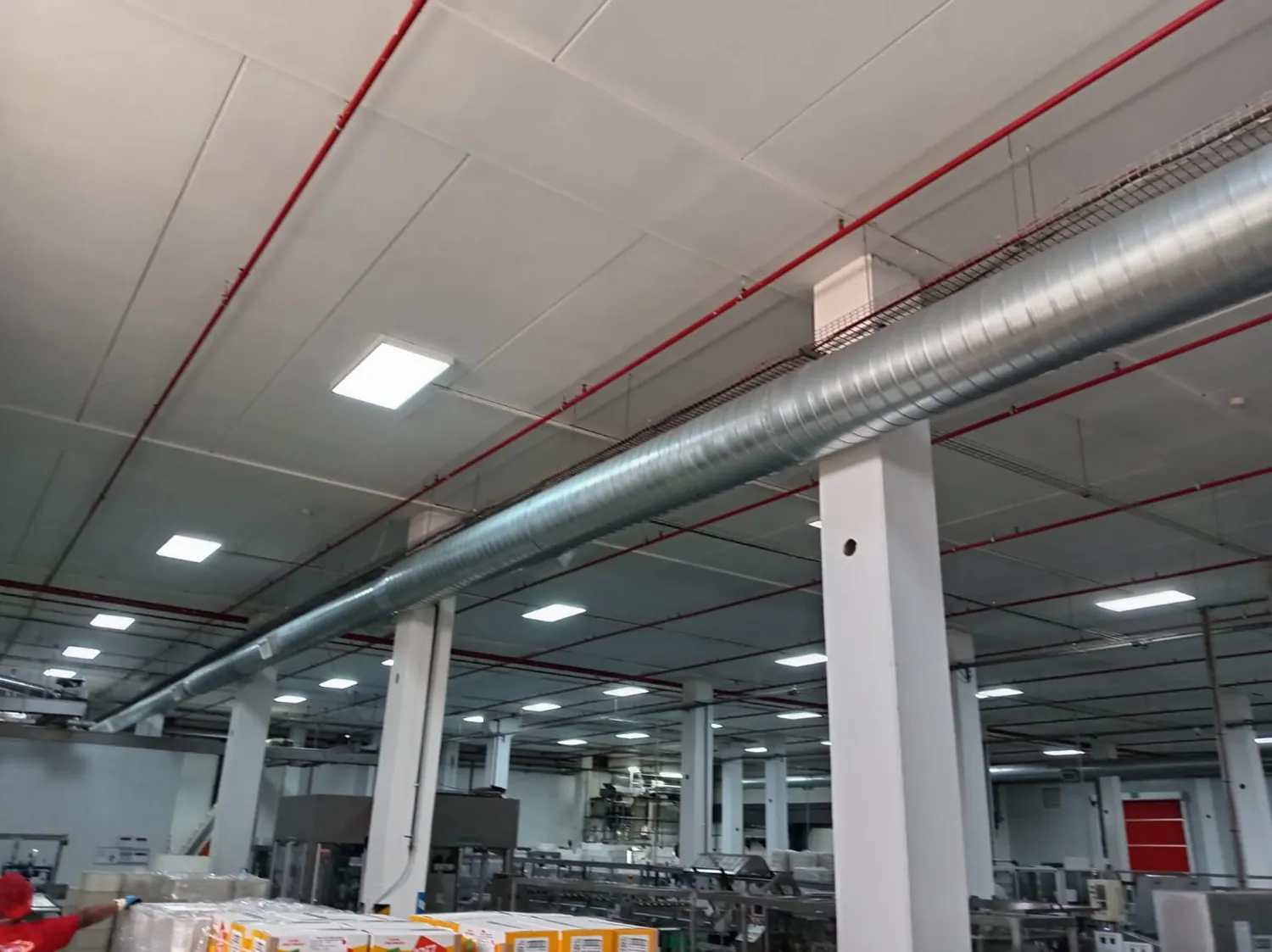
Operating challenges and equipment requirements
Pinetown industrial operations range from machining and furniture production to packaging and general fabrication. Collection equipment must reflect the physical dust characteristics and workshop layout rather than simply match a nominal motor rating.
How we establish the right work scope
For a manufacturing quotation we establish dust type, expected air volume, collection points, indoor or outdoor placement and constraints on service access. A buyer replacing an existing unit can supply fan data, filter drawings, duct sizes and symptoms of underperformance.
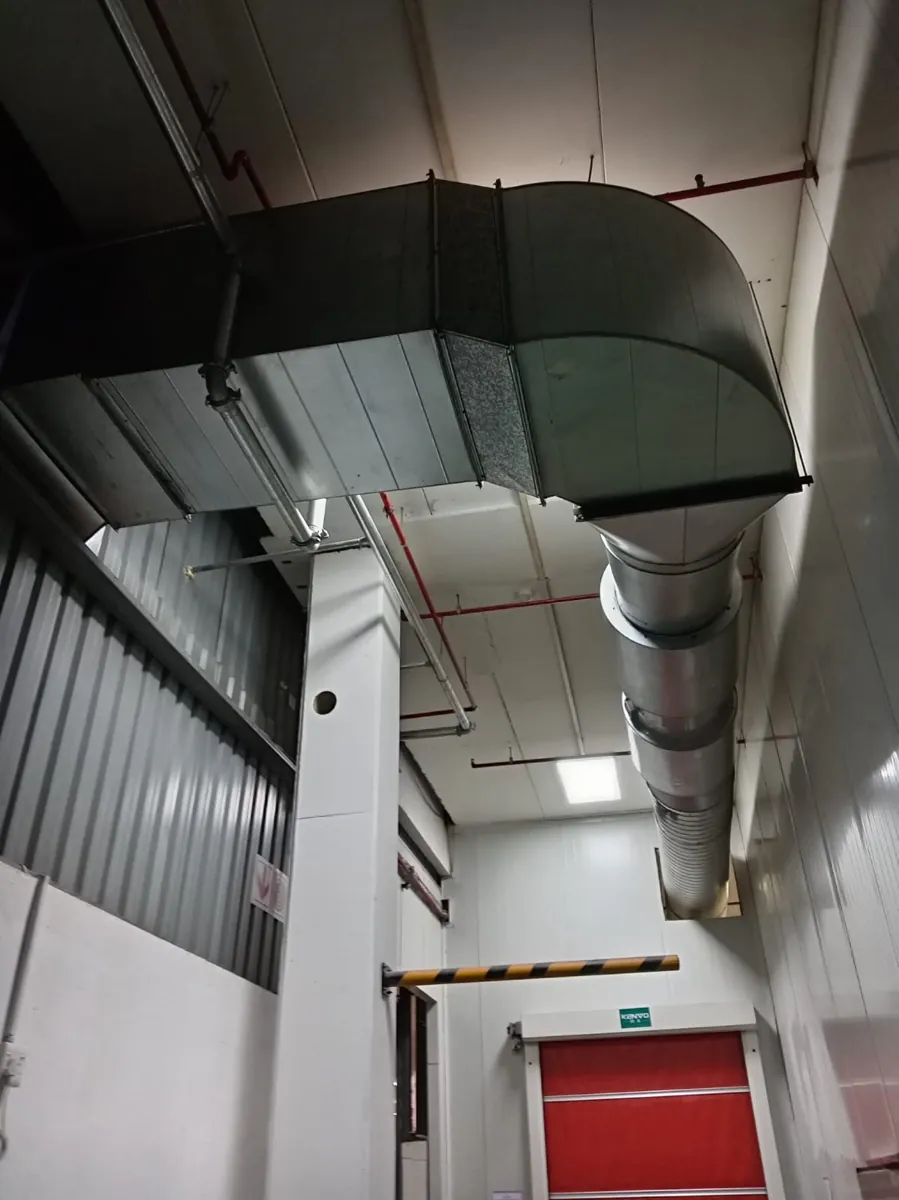
Installation, fabrication and repair considerations
We manufacture dust collectors in-house and discuss suitable arrangements for collection housing, filtration, discharge and integration with connecting ductwork. Decisions on collector protection, filter media and final airflow require proper duty and hazard assessment.
Information for a practical quotation
Send photographs or drawings of the machine line, dust source, available footprint and preferred maintenance access. This allows the proposed fabrication scope to be separated clearly from electrical work, ducting and commissioning.
Planning the job around your operation
Made-to-order collectors for Pinetown facilities
Pinetown manufacturing and workshop operations often need collectors to fit among machine lines, dispatch paths and established ductwork. In-house manufacturing allows us to discuss collector access doors, hopper discharge positions and mounting arrangements with the actual available space in mind. Collector selection still depends on dust characteristics and engineered performance requirements.
The first decision is not whether a baghouse or cartridge looks more compact. We examine dust loading, particle characteristics, process temperature, expected operating hours and the preferred waste removal method. Filter access and the safe movement of bins or bags are important where maintenance staff work in restricted plant areas.
Share sketches, photographs, intended air volumes if known, dust descriptions and the number of pickup points. We can then discuss fabrication boundaries, duct connections, site assembly and the specialist electrical or explosion-protection design that may be necessary for the application.
Discuss your Pinetown requirements
Equipment and operating considerations
Pinetown industrial workshops often combine fabrication and production equipment within existing buildings. For a collector retrofit, we pay particular attention to whether existing duct branches are still appropriate and where the proposed filter housing can fit without blocking forklift movements. Collecting coarse chips together with fine dust may change the handling arrangement. We discuss maintenance-side clearances, hopper emptying and the shutdown needed to reconnect extraction. A useful manufacturing enquiry includes process details, site photographs and the number of simultaneously operating pickups.
Manufacturing details to confirm before fabrication
A collector installation beside an active production line needs filter doors and waste discharge positioned so routine servicing does not obstruct work. In a Pinetown project we would establish the particle type, number of simultaneous pickups and any retained extraction fan. The collector casing should also be designed to allow safe access to components most likely to wear or clog. The final quote must define the scope for ducting, commissioning and any hazard-specific protections.