
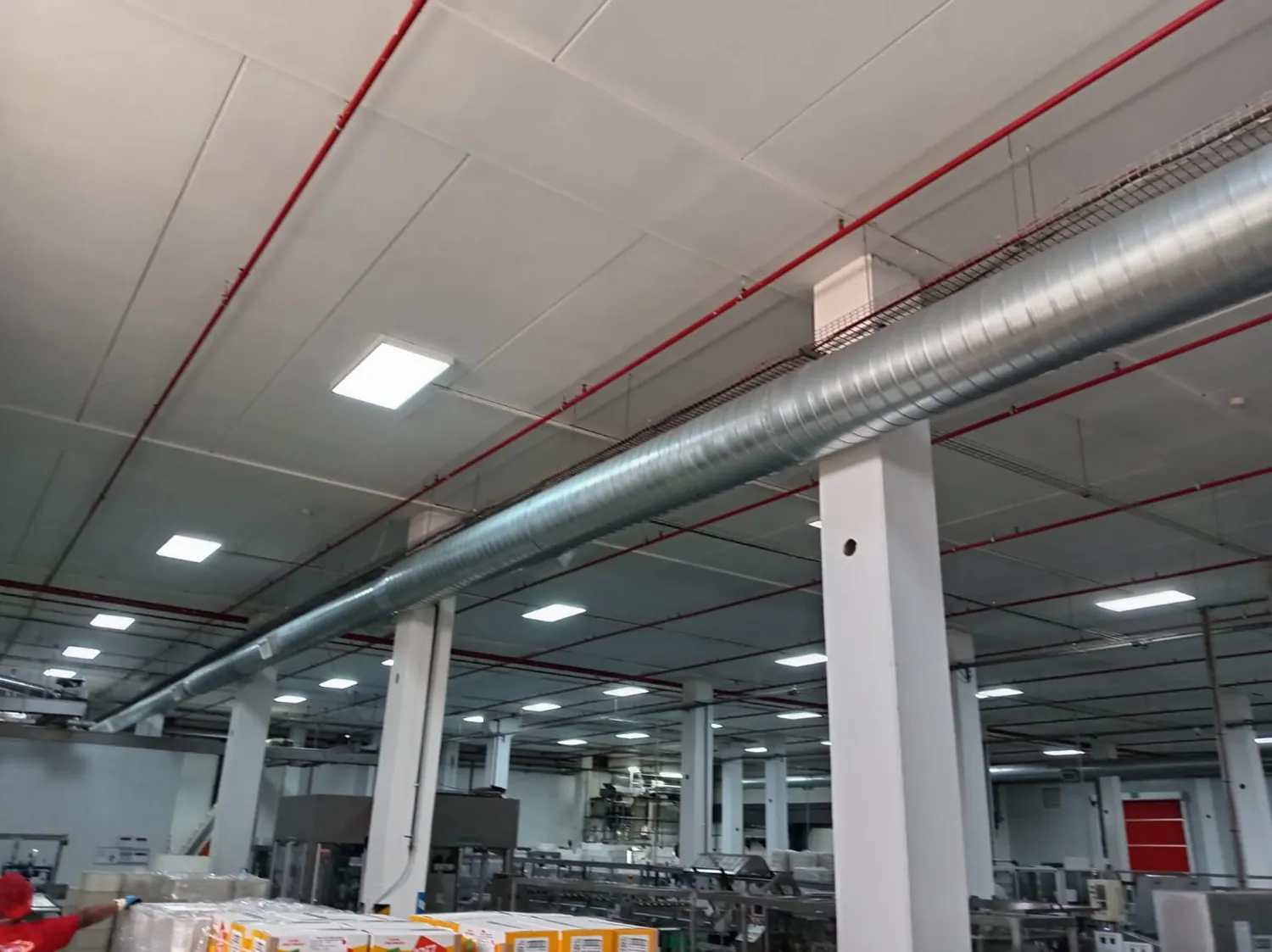
What the work involves
Offices, hospitality venues and industrial administration buildings in Kimberley depend on cooling equipment whose faults can interrupt day-to-day operations.
High outdoor temperatures can expose undersized equipment or dirty condenser coils, while blocked condensate drains and defective controls can cause water leaks or uneven room cooling.
Equipment assessment and diagnosis
We begin with the system type, equipment age, control settings, drainage, airflow symptoms and protection-trip history before defining a diagnostic visit.
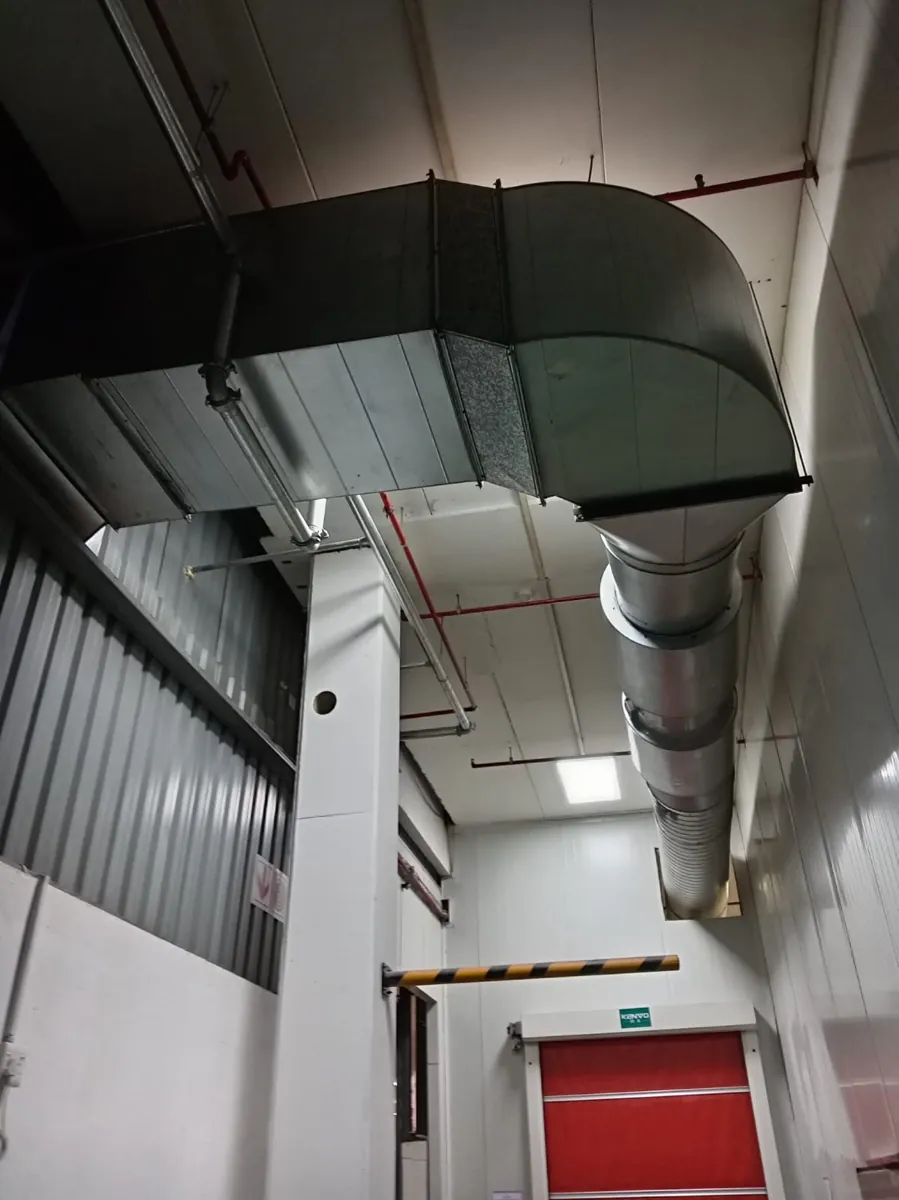
Installation, fabrication or repair scope
A repair may require controls, fan components, cleaning, drainage work or qualified refrigeration intervention. Equipment replacement decisions should consider the actual building load and existing duct or piping arrangements.
Technical suitability and safe operation
Electrical and refrigerant repairs need qualified technicians and the correct isolation and refrigerant-handling procedures.
Fault patterns and repair decisions
Commercial cooling in Kimberley can be heavily affected by high outdoor temperatures and heat gain through roofs and glazing. Before blaming unit capacity, we check whether condenser coils are obstructed, return air is restricted or thermostats are sensing unrepresentative conditions. Repeated trips and insufficient cooling have different likely causes. We ask which rooms are affected and when the problem peaks, along with model and alarm information. Work on electrical and refrigerant circuits requires suitable competence.
Requesting a project quotation
Send unit labels, pictures of indoor and outdoor equipment, symptoms, building use and any previous service reports.
Related engineering service
View related technical services
Finding the cause before replacing equipment
A commercial cooling complaint should be traced to the affected zones, not judged only from the condition of an outdoor unit. A room overheating in the afternoon may reflect changed occupancy, supply-air restrictions or controls that no longer match the building schedule. We use available alarms, thermostat readings, filter history and the pattern of the fault to narrow the work required.
For a Kimberley facility, plant access and trading hours matter as much as component supply. A repair scope should state whether cooling can be interrupted, which rooms contain critical equipment and whether other units can maintain conditions during the work. Refrigerant-circuit interventions must be assigned to appropriately competent personnel; a site assessment does not itself establish that a complete replacement is needed.
Repair assessment and acceptance checks
An equipment replacement quotation should identify how its capacity and controls will interact with existing ductwork and internal units. Where one room is underperforming, damper or duct faults need investigation before major plant is condemned. Any work involving electrical distribution or refrigerant circuits needs the relevant competent personnel and isolation arrangements. Service records are useful when comparing repeated failures with a one-off component fault.
Where equipment serves more than one tenant, the person authorizing work should confirm both affected zones and suitable access times. These details help avoid unnecessary disruption while faults are investigated.