
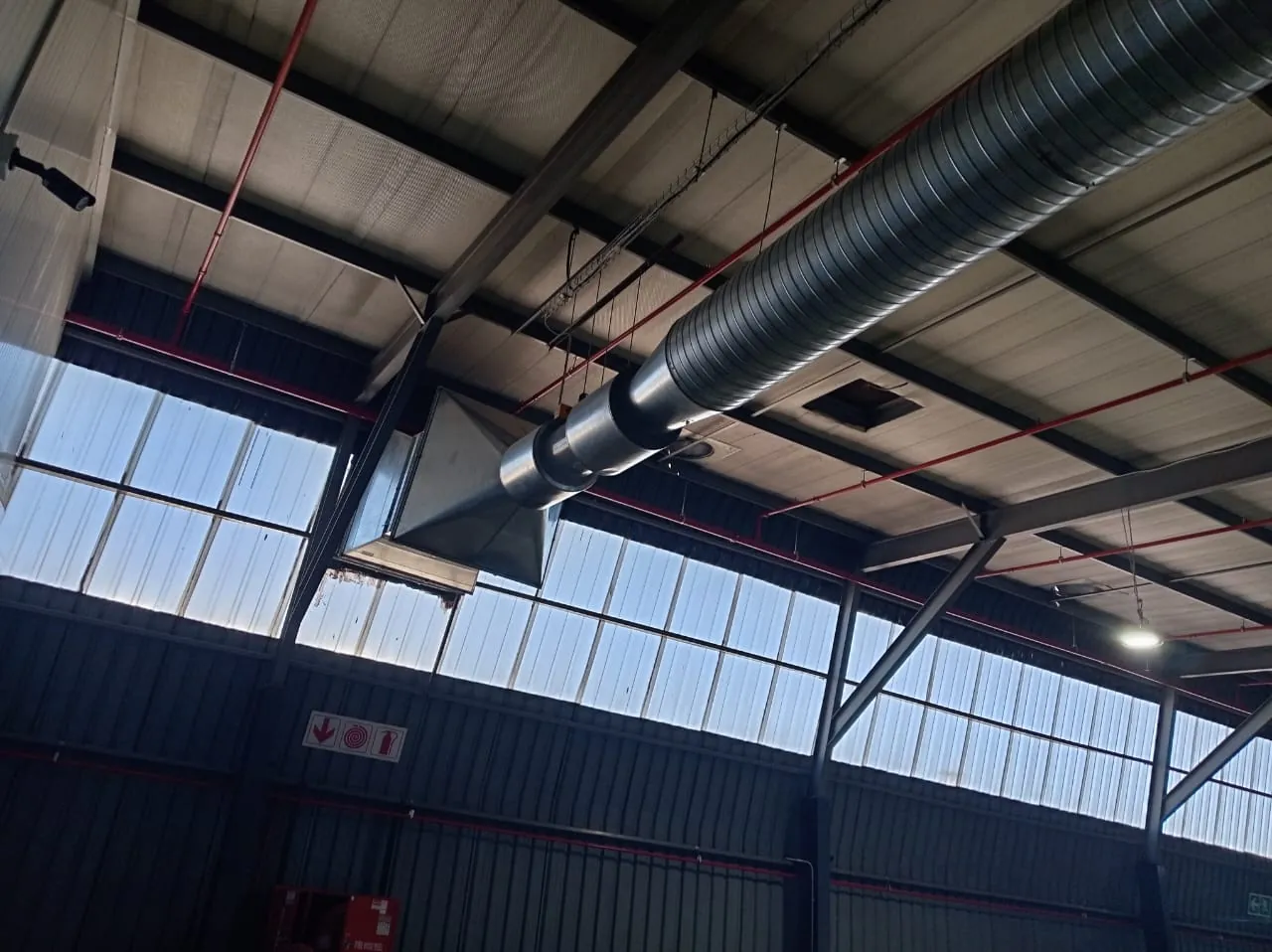
When cooling becomes unreliable
Uneven temperatures, nuisance trips, persistent alarm codes, water leaks and unusual compressor noise can interrupt businesses long before a system stops completely. We approach commercial air-conditioning repairs by establishing the symptom history and which zones or units are affected, rather than assuming all loss of cooling calls for additional refrigerant.
Fault-finding priorities
Airflow restriction, fouled heat exchangers, failed fans, condensate blockages, control failures and refrigerant-system faults can produce similar complaints. Technicians need access to the unit model, operating condition and fault history. In sites with multiple indoor units, we also consider whether the issue lies with one unit, the distribution arrangement or the shared outdoor equipment.
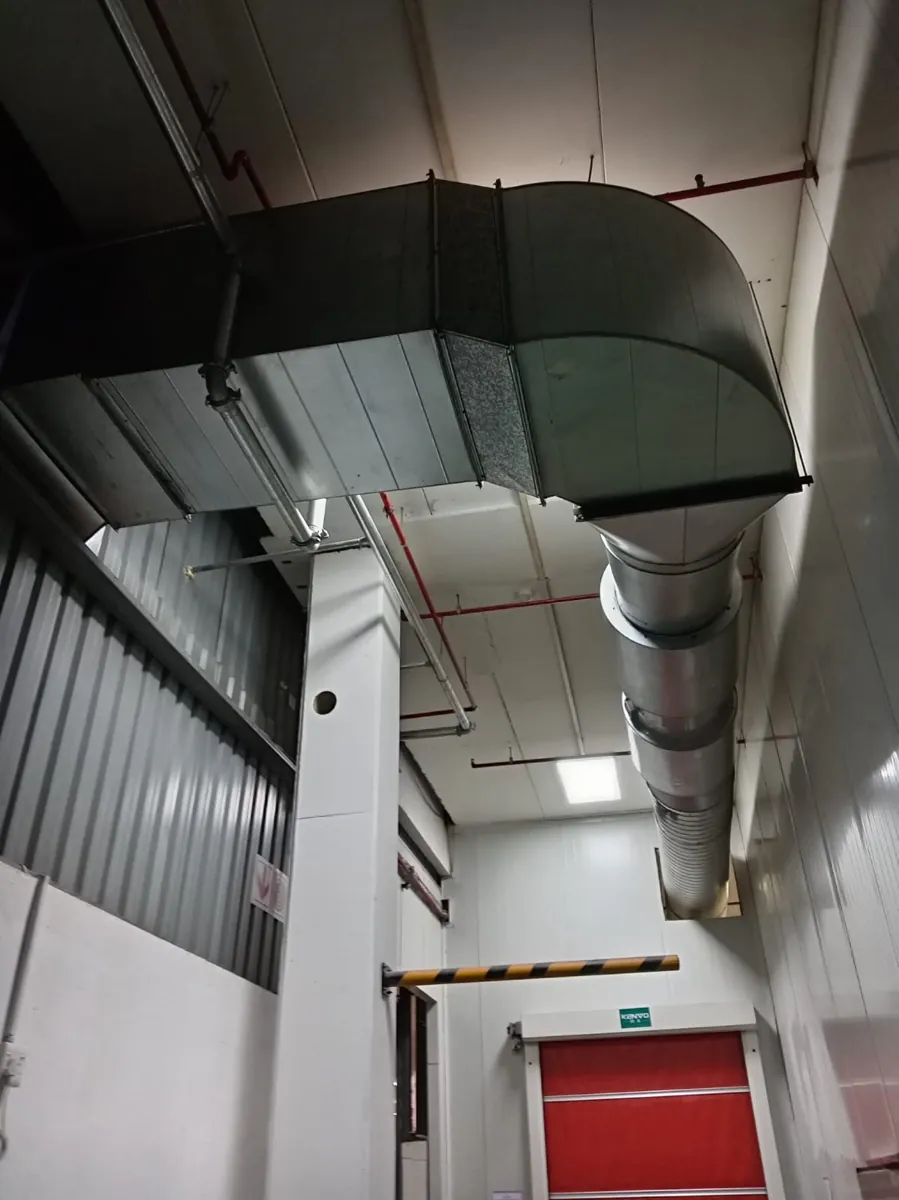
Practical repair scope
Possible repairs include accessible fan components, control parts, drain assemblies and other failed items once the fault is confirmed and parts are available. Refrigeration-circuit repairs, pressure testing and refrigerant charging require appropriate competence and lawful handling practices. We discuss whether the unit can be restored economically or a planned replacement is a better investment.
Reducing repeat breakdowns
Restoring operation is not the end of the investigation if the fault keeps returning. Poor maintenance clearance, blocked filters, high ambient temperatures, defective electrical supply or incorrect operating schedules can put the system under repeated strain. We recommend discussing the operating cause and follow-up maintenance instead of treating each complaint as an isolated incident.
Information to send
Provide the premises location, unit make/model, displayed fault codes, photos of the equipment, symptoms, affected rooms and whether any production or trading activity is at risk. We can use those details to define an appropriate assessment and realistic repair plan.
Fault patterns and repair decisions
A commercial system may have adequate cooling in the morning and struggle by afternoon because load and operating conditions change. We ask whether multiple areas are affected, examine maintenance history and distinguish controls faults from airflow restrictions or refrigeration problems. A blocked return path can produce complaints that resemble insufficient plant capacity. Any refrigerant-circuit intervention must be performed by properly qualified personnel. A useful fault report includes unit identifiers, operating schedules, displayed error codes and the pattern of affected spaces.
Discuss your project with our team
Finding the source of poor cooling
Reduced capacity may arise from restricted coils, poor airflow, refrigerant-side issues, control faults or load changes inside the premises. We start by confirming the equipment type, fault history and the spaces affected. Refrigerant circuit work needs suitable competent personnel and safe procedures, not speculative topping up without investigating leaks.
Keeping occupied spaces operational
A business may need staged isolation for offices, restaurants or retail spaces. We ask for unit identification, error codes, photos and available service history before a visit. The repair proposal distinguishes restoration, component replacement and any capacity concerns requiring separate evaluation.