
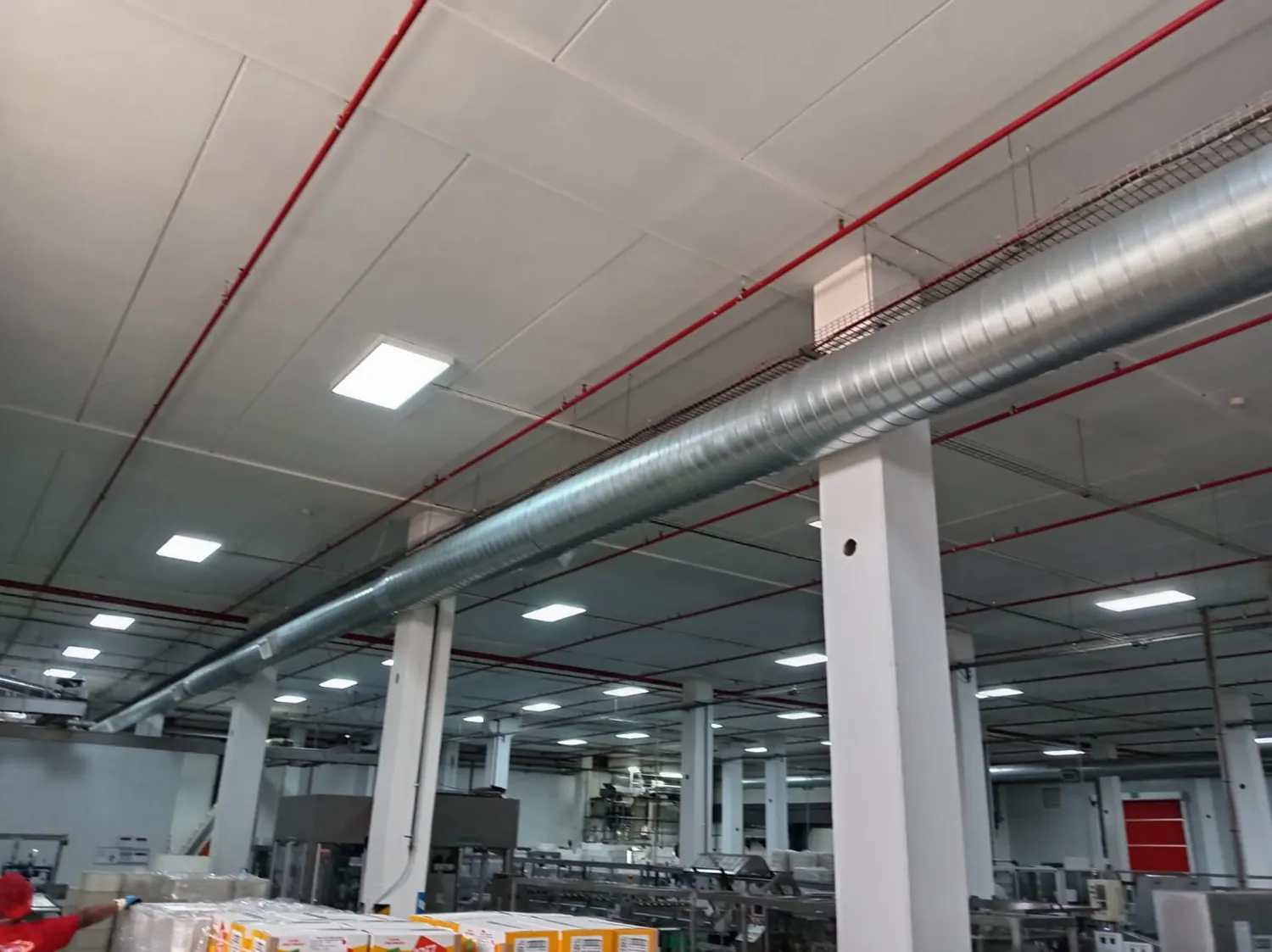
Symptoms beyond poor temperature
An AHU can become noisy, vibrate, deliver less airflow, leak water or fail to respond to control signals. Those symptoms may originate in different parts of the unit. We assess the complaint in the context of whether the AHU serves comfort cooling, general ventilation or an industrial support area.
Mechanical issues
Worn bearings, loose drives, damaged impellers and deteriorated fan mounts need inspection before continued operation. Visible vibration can be caused by more than one issue, including misalignment and changes within the duct network. Appropriate isolation is essential before opening fan chambers.
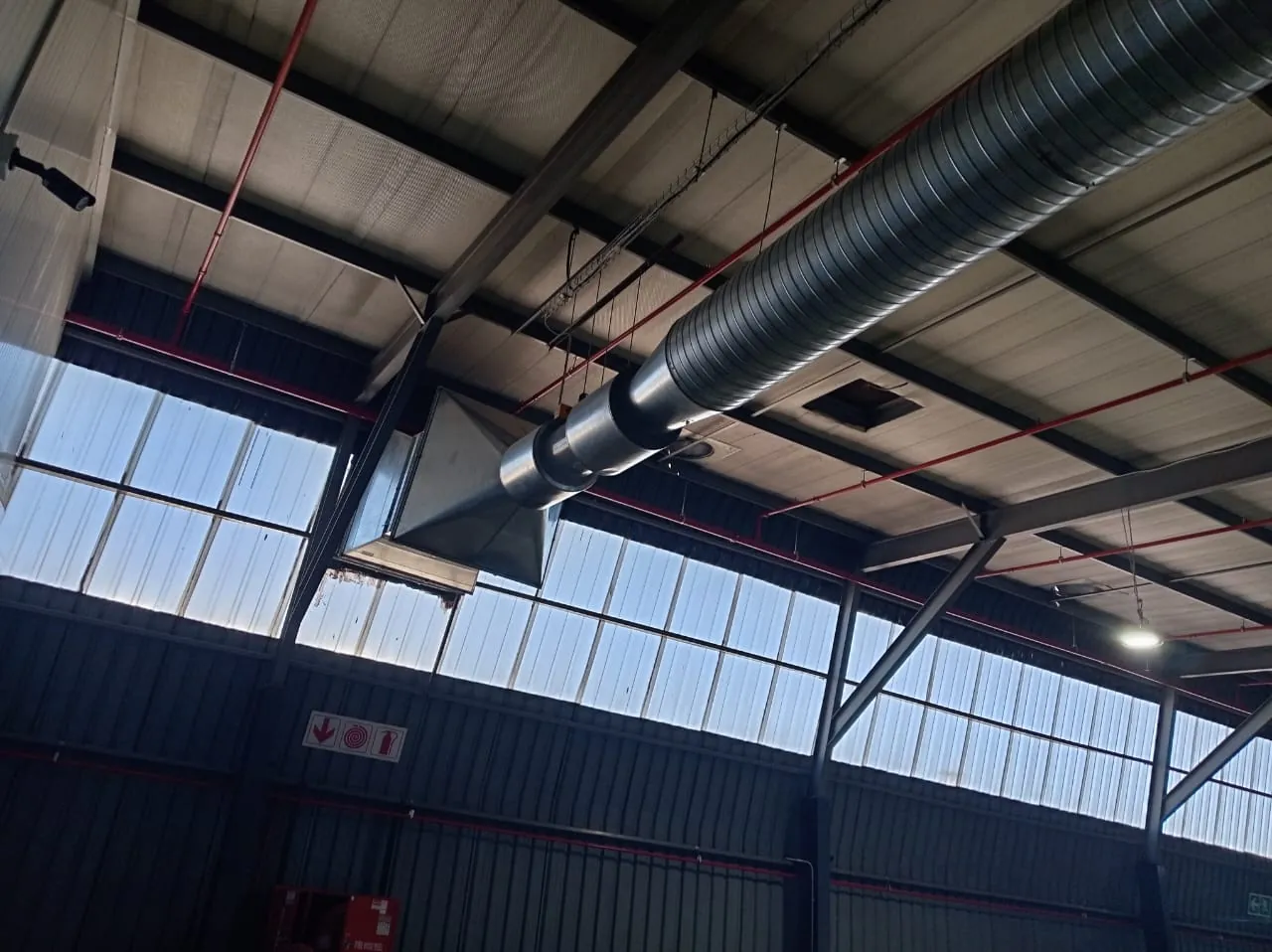
Water and air-side faults
Leaking coil connections, blocked drains, failed dampers or fouled filter stages can also reduce performance. Repair recommendations should distinguish the defective item from underlying site conditions. A failed damper actuator does not justify replacing a complete air-handling casing unless there is additional evidence.
Integration and safety
AHUs may be linked to fire alarms, smoke control, building management systems and other essential functions. Repairs affecting interlocks must respect the actual control and safety design and be tested appropriately. We do not treat ordinary comfort ventilation work as certification of a life-safety system.
Share the fault details
Send photos of the AHU label and fan section, alarm history, symptoms, available drawings and safe access arrangements. Let us know which occupied areas or processes are affected so the inspection can be scoped realistically.
Fault patterns and repair decisions
A unit that moves air but cannot hold a supply-air setpoint may have a problem outside its fan assembly. We look at coil condition, condensate removal, actuator response and whether the fan is operating at its intended speed before recommending components. On older units, access-panel seals and damaged insulation can allow bypass air that obscures the original fault. A repair discussion should include the air handler identifier, the rooms or production areas supplied, recent alarms and whether the problem occurs at startup or under sustained load.
Discuss your project with our team
Request an HVAC project assessment
Finding the cause before replacing equipment
A noisy or poorly performing air-handling unit should be assessed as an assembly rather than treating every complaint as a fan defect. Coil fouling, damper position, filter resistance and failed controls can reduce delivered air even with an intact motor. Condensate leakage or damaged panel seals may introduce further issues.
We request equipment labels, operating alarms and a description of which rooms or processes are affected. Some AHUs connect to safety or smoke-control systems, and work touching those interlocks needs specialist verification. Corrective repairs should be followed by readings at representative operating conditions and a service record for future fault comparison.
Repair assessment and acceptance checks
An AHU may serve several building zones, so diagnosis should relate fan, coil and damper conditions to complaints in those areas. We would review trend alarms and supply-air conditions if available before recommending a major component replacement. Drainage and filtration faults can disguise themselves as cooling failures. Any repairs affecting smoke-control or fire functions must follow the relevant competent assessment and commissioning process.