
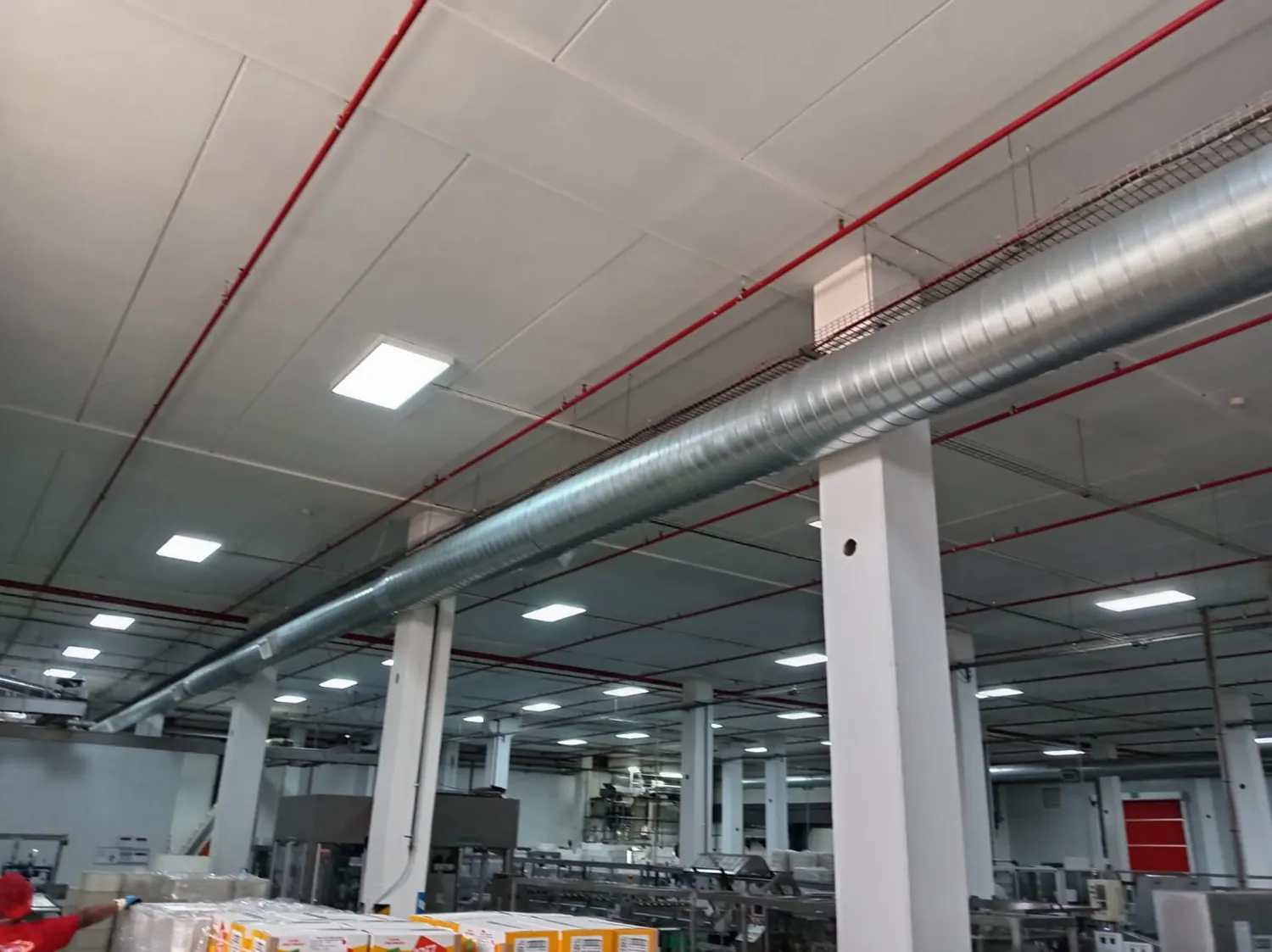
Operating challenges and equipment requirements
Cape Town industrial buyers may require collectors for woodworking, machining, packaging, food processing and other distinct processes. Collector sizing, filtration and dust discharge must match the handled material and the number of extraction points.
How we establish the right work scope
Our manufacturing enquiries begin with the process description, material characteristics, existing duct network, required airflow data and physical installation limits. We also establish whether a replacement unit must match the existing footprint or enable future production changes.
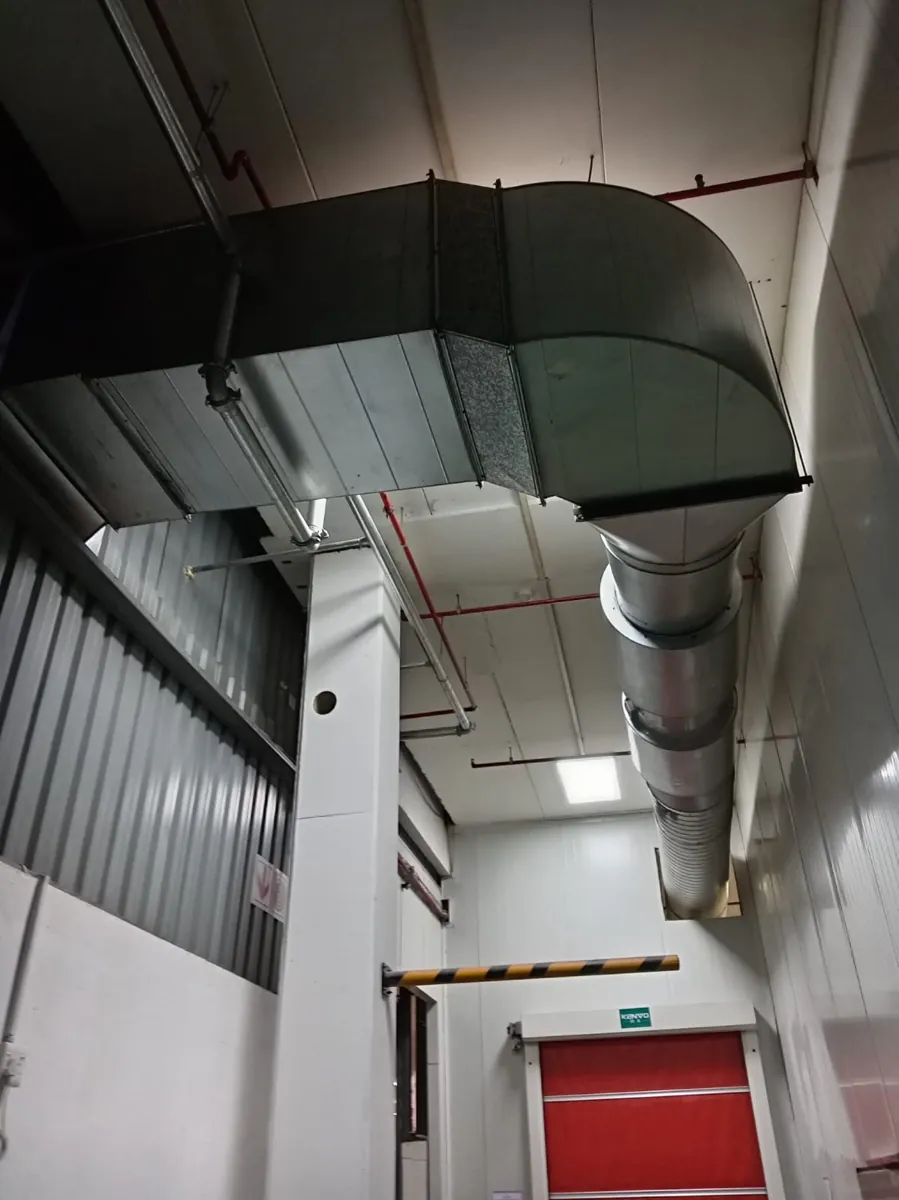
Installation, fabrication and repair considerations
We manufacture collectors in-house and can discuss housing fabrication, filter arrangements, hoppers and associated extraction ductwork. Final design, protection and performance must be established from verified technical inputs and relevant safety requirements.
Information for a practical quotation
Send available drawings, site photographs, material details and expected working hours. Clarify whether you need a complete new system, collector replacement or repair of existing equipment.
Planning the job around your operation
Collector manufacturing for Cape Town projects
Cape Town plants may require new dust collectors for woodworking, packaging, metal processing or other particulate-generating operations. Our in-house manufacturing offering begins with the dust and duty conditions, not a claim that one collector design can handle every material. The right housing, filters and discharge arrangement depend on the process and risk profile.
We consider the installation footprint, connection points, hopper or bin removal, inspection doors and how maintenance teams will reach the filter section. For exposed installations, coastal conditions and local site access can affect coating and enclosure discussions. Combustible or toxic dust calls for specialist engineering and safeguards appropriate to the hazard.
Procurement teams can send dust information, available space, machine list, process hours, requested interfaces and any current engineering drawings. These help distinguish fabrication and equipment supply from associated mechanical, electrical and specialist design work.
Discuss your Cape Town requirements
Equipment and operating considerations
For Cape Town industrial facilities, a custom collector may need to fit into existing plant space or be incorporated into a new process line. We discuss available roof and floor clearances, maintenance-side access and material transfer arrangements before confirming fabrication dimensions. Exposed installations may require particular attention to corrosion protection and safe filter servicing. Dust characteristics, expected airflow and the waste-discharge method remain the main technical inputs; the company's fabrication base is Pomona rather than a Cape Town workshop.
Manufacturing details to confirm before fabrication
Manufactured dust collection equipment should leave space for filter changes, inspection of the dirty-air inlet and secure access to the hopper discharge. In Cape Town installations, external equipment placement may also require attention to roof or ground supports and weather exposure. The scope should distinguish a fabricated collector body from a complete extraction package with ducting, electrical work and commissioning. Actual dust properties and duty determine the relevant design and safety requirements.